

Guilt clutter 2026 is everywhere—shelves lined with unwanted gifts, boxes of inherited items, and random “eco-friendly” containers just in case. Most people in 2026 keep things not out of need, but because getting rid of them feels awkward or wrong. If this sounds familiar, you’re not alone, and it’s a problem you can overcome realistically.
Key Takeaways
- Guilt clutter is an unresolved pain point in 2026 homes, with emotional, financial, and physical downsides.
- Effective decluttering means facing guilt head-on—acknowledge the emotion, decide quickly, and use structured removal methods.
- Advanced hacks like the cobwebbing method and real accountability can make letting go easier and more sustainable.
- What Is Guilt Clutter in 2026—and Why Should You Care?
- Step-by-Step Guide: How to Let Go of Obligation Clutter
- Advanced Analysis & Common Pitfalls in Guilt Clutter 2026
- Conclusion
- Frequently Asked Questions
What Is Guilt Clutter in 2026—and Why Should You Care?
Guilt clutter means keeping things only because you feel obligated—not because you want or need them. Maybe it’s a gift you don’t like, inherited belongings, or empty jars stashed for ecological reasons. In 2026, this type of clutter has grown as lives and storage have expanded, with professional organizers pointing out that the emotional burden may rival the physical mess.
Statistics indicate that while 40% of U.S. adults say their homes are cluttered, and an estimated 80% of kept possessions are unused, the true force driving clutter is emotional—not practical—attachment. Guilt clutter takes up valuable space, drains energy, and can even damage your mental health.

Step-by-Step Guide: How to Let Go of Obligation Clutter
Ready to break the cycle in 2026? Use this targeted process for tackling guilt clutter, whether it’s sentimental objects, eco-hoarded goods, or “just-in-case” items.
-
Start Small and Spot Emotional Triggers
Don’t try to declutter the whole house in one go. Begin with a single shelf or drawer. Pick up each item and honestly ask yourself: “If I let this go, what do I feel—relief, guilt, or fear of offense?” -
Label and List Your Guilt Items
Create a physical or digital list of items you keep “because you have to.” Just writing them down helps you confront the true reason they’re still there.- For gifts: Who gave this? When?
- For inherited items: Who’s attached—me or the original owner?
- For eco clutter: What’s stopping me from responsibly disposing of this?
-
Make a Clear Decision—Donate, Recycle, or Repurpose
If the only reason for keeping something is guilt, pick one of these routes:- Donate: Pass it to someone who might genuinely want or use it.
- Recycle: Take glass jars, old fabrics, or broken electronics to the right facilities.
- Repurpose: Only if you truly will use it soon—set a deadline and stick to it.
-
Keep Accountability Visible
Track your process using bags or boxes—count them. This builds momentum and gives visible proof of progress, as championed by user communities here. -
Address the Deeper Why
Reflect on emotional roots—guilt, trauma, or obligation. Naming it helps neutralize it. If one area feels too tough, consider the cobwebbing method for dealing with sentimental attachment in small, manageable steps.
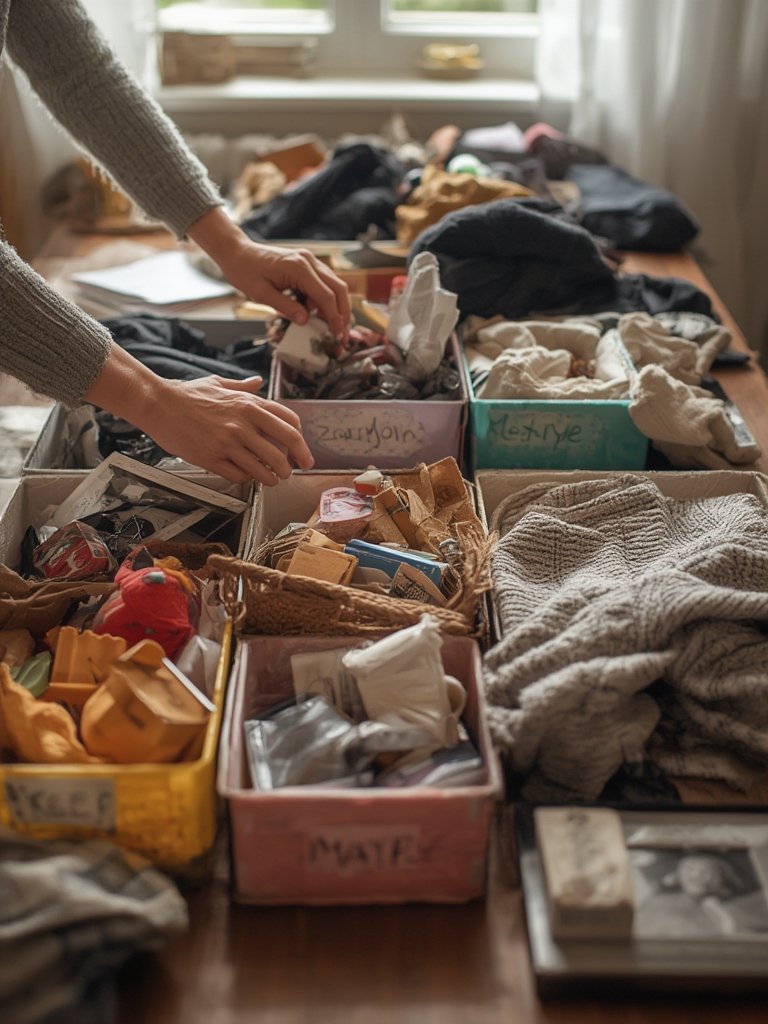
If big declutters are too much, use timed methods like the 5-day clutter shakedown or break up tasks by room, as in the chaos decluttering method. For kitchen and pantry guilt, upgrade to airtight glass food storage jars and donate redundant containers.
Motivation lagging? Tech can help: Learn how AI-powered home organizers make tracking and planning much less overwhelming in 2026.
Advanced Analysis & Common Pitfalls in Guilt Clutter 2026
Tackling guilt clutter in 2026 is harder than letting go of “ordinary” clutter. Why? Because emotional barriers tend to override logic, slowing or even stalling progress. Here’s what research and real user experience reveal.
| Guilt Clutter | Standard Clutter |
|---|---|
| Triggers emotional pain (guilt, regret, fear of offending) | Primarily inconvenience or annoyance |
| Often tied to relationships (family, friends, past trauma) | Rarely involves other people’s feelings |
| Induces procrastination—hard to decide on disposal | Usually quicker to toss unwanted items |
| Eco guilt can backfire—hoarding “just in case” items undermines sustainability goals | Eco aspect usually ignored or less relevant |
| Legal/ethical inheritance headaches often unaddressed | Handled individually, not shared by families |
Top Sub-Topics Experts Overlook
- Trauma’s role: Decluttering blogs mention shopping habits, but rarely the deeper trauma that can drive accumulation. Many users report real progress only once they address these root causes (source).
- Family inheritance disputes: Inherited clutter isn’t always just your call. Without honest conversation, decluttering could spark tension or conflict with relatives.
- Eco-guilt backfire: Keeping reusable items out of duty sometimes makes mess, not sustainability. Few guides weigh the actual impact of this dilemma (source).
Documented Psychological and Health Impacts
- Clutter increases stress and cortisol: Direct studies link household clutter (including guilt clutter) to higher cortisol in women, leading to anxiety, decision fatigue, and even mood disorders (WebMD/UCLA research).
- Lost time and money: On average, Americans spend $2.7 billion yearly replacing lost items and lose 2.5 days per year searching for stuff—a problem worsened by obligation clutter (source).
- No legal clarity for inherited clutter: Most experts skip legal or consent requirements in family inheritance situations. This can cause friction if not discussed in advance (source).

Conclusion
Guilt clutter 2026 is not just about space—it’s about reclaiming peace of mind and physical clarity. Letting go starts with naming the real reason something stays, using structured removal steps, and leveraging support like the cobwebbing method or home organization tech. The emotional weight may not vanish overnight, but with these actionable steps, you can transform obligation into freedom. Ready to start? Tackle one guilt item today, track your progress, and discover how much lighter your home and mind can feel.
Start now—whether you choose the three-step tidy method or the self-paced Swedish death cleaning approach, every action moves you closer to a guilt-free home. Share your results and inspire someone else to break the obligation cycle.
Frequently Asked Questions
How do I know if I’m keeping something out of guilt versus genuine need?
Ask yourself: Would you buy this item again today? If not, and the main reason for keeping it is “not wanting to offend” or avoid regret, it’s guilt clutter. It’s common with gifts, inherited objects, or eco-hoarded items.
What if my family disagrees about discarding inherited items?
There are no formal legal rules in most cases, but open discussion is key. Ensure all parties understand why you want to let go and, where possible, share photos or memories before donating or discarding. If the item is valuable, consult ownership or inheritance documents before acting.
Is there a best time or method for decluttering guilt items?
No single “best” method fits everyone, but starting with small, low-stakes items builds momentum. Use time-limited approaches like the 5-day shakedown or emotional-release techniques such as the cobwebbing method to break attachment cycles.
Can decluttering guilt clutter really improve my mental health?
Yes—surveys and studies link clutter to higher stress, lost productivity, and even elevated cortisol. Clearing obligation clutter can relieve these pressures, especially with routines that make progress visible and manageable.
What if I regret getting rid of something later?
Regret is normal but rare if you follow a mindful process. Taking photos or writing about the item before letting go helps you honor the connection while making space for what matters now. Remember, the goal is clarity, not perfection.

[…] feel guilty about discarding “perfectly usable” linens. If this causes decision paralysis, the guilt clutter approach offers permission to let go, especially of items received as gifts or handed […]