

Electronics cable management is one of the most common, yet overlooked, challenges in keeping a home or office organized. Messy wires create visual clutter, cause frustration, and even increase risks of tripping or device failure. If you’re tired of untangling cords or searching for that one lost charger, you’re in the right place. This is your realistic, step-by-step guide to decluttering and mastering cable management for all your electronics.
Key Takeaways
- Effective electronics cable management reduces clutter, stress, and the risk of equipment failure.
- Simple, affordable solutions and sustainable disposal practices can make a dramatic difference.
- Smart planning and a few expert tricks will keep your workspace or living area organized long term.
- What Is Electronics Cable Management? Why Does It Matter?
- Step-by-Step Guide: Declutter and Organize Electrical Cables
- Advanced Analysis & Common Pitfalls
- Conclusion
- Frequently Asked Questions
What Is Electronics Cable Management? Why Does It Matter?
Electronics cable management is the process of systematically arranging, protecting, labeling, and disposing of the cabling that powers your tech devices. Whether in your home office, entertainment center, or kitchen, unmanaged cables create a tangled mess, collect dust, and can even disrupt productivity or device performance.

Research shows that cable mess is a persistent problem that costs time and peace of mind. While the 2024 State of Clutter Report highlights cable chaos as a major pain point, it’s an issue that can be solved with the right approach.
An organized cable system means:
- Less time spent searching for the right cord or charger.
- Reduced risk of accidental unplugging or damage.
- Improved safety and aesthetics.
Cable management is about more than looks. For anyone optimizing for productivity, like those following workspace decluttering tips, controlling wires is a foundational step for creating a functional environment.
Step-by-Step Guide: Declutter and Organize Electrical Cables
Ready to regain control of your cords? Here’s a realistic, actionable process to manage all your electronics cables—no special tools required.
- Unplug Everything & Group by Type
Start by removing every cable from the area. Group cables by purpose—charging, audio, video, data, etc.—to instantly spot duplicates and unnecessary wires. - Test & Purge
Check each cable for damage. Plug it in to confirm it works with your current devices. If it’s frayed, obsolete, or a mystery cord, recycle or properly dispose of it. For eco-friendly disposal, find a local e-waste facility. Globally, less than a quarter of 62 billion kg of e-waste was recycled in 2022, so every bit helps. - Label Everything
Use masking tape, labels, or the twist-tie trick mentioned above. Mark cables with their device name and, if possible, owner (for households with multiple users). Future you will be grateful. - Wind, Tie, and Contain
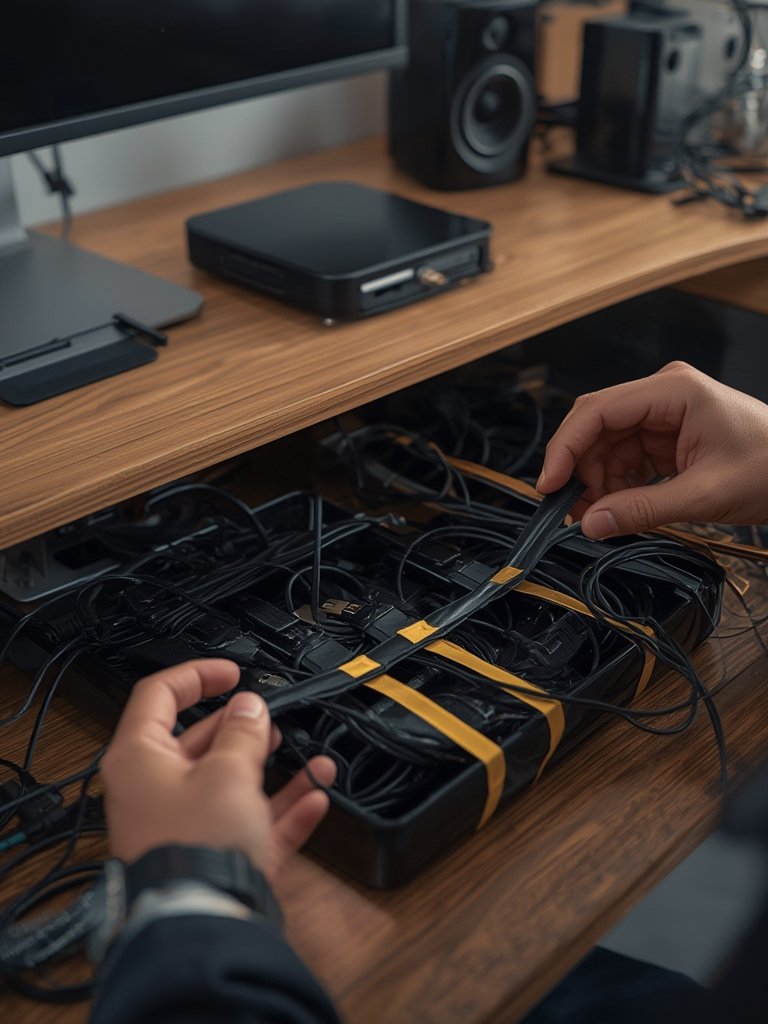
Use reusable velcro ties, small bags, cable clips, or toilet paper rolls to neatly bundle cords. Consider the drawer dumping method for fast organization—a key hack for electronics junk drawers. - Choose the Right Storage Solution
Electronics organizers, zippered pouches, or drawer dividers will keep different cable types visible and untangled. For home offices, under-desk trays and cable sleeves work wonders. Repurpose closet storage bags like those reviewed in this 90L bag guide for bulkier cables or power strips. - Strategic Setup & Maintenance
Arrange cables with minimal overlap—loop excess cable, secure it out of sight, and leave only enough accessible length for everyday devices. Schedule a quick tidy-up monthly. Just a 10-minute reset (see the 10-minute declutter challenge) will keep cable mess from creeping back.
Bonus: Adopt the “one in, one out” rule from declutter experts. Every new cable or charger entering your home should replace an old or unused one. This small policy prevents future pileups.
Want to see your home organization continue improving? Explore AI-powered home organization apps for maintenance reminders and inventory tracking.
Advanced Analysis & Common Pitfalls
Research and real-world feedback show that even the most diligent organizers hit hurdles with electronics cable management. Here’s a breakdown of persistent pitfalls and what to realistically expect.
| Problem | Why It Happens | What To Do |
|---|---|---|
| Cables quickly tangle again | Lack of regular upkeep; high-traffic areas | Schedule a recurring “cable reset”; use more structured holders, like cable boxes or zippered bags |
| Forgotten chargers and cables accumulate | Rarely needed, or “just in case” hoarding | Be merciless—if you don’t use it monthly, recycle it |
| Mismatched or missing labels | Not labeling immediately during setup | Label new cables the moment they’re purchased; keep a labeler handy |
| E-waste improperly discarded | Unawareness of recycling options | Check municipal waste programs or international e-waste resources |
| Overspending on “premium” organization kits | Influenced by social media or marketing | DIY with items on hand (velcro straps, baggies); only invest where it solves a real pain |
Many users—especially tech buyers—try to organize everything at once, leading to decision paralysis. Adopting the 5-day clutter shakedown or other staged approaches helps avoid burnout.

If eco-responsibility matters, remember: the world still struggles with proper electronics waste processing. Globally, only 22.3 percent is recycled correctly (source). Discard cables and chargers only at certified drop-off sites.
Conclusion
There is no magic wand for cables, but with planning and a few proven tricks, you can achieve sustainable electronics cable management. The key is to keep it simple: prune often, label clearly, repurpose what you have, and remember that ongoing maintenance is more effective than one big overhaul. Ready for a calmer, less cluttered space? Start your cable management reset today.
For more on whole-home organization, compare your approach to the 3 Simple Steps to a Tidy Home and introduce the pantry declutter challenge or athleisure storage hacks if you’re working through multiple clutter hotspots.
Frequently Asked Questions
What’s the first step in electronics cable management?
Unplug everything from its sockets and group cables by type. This immediately reveals duplicates, broken cords, and mystery wires, setting the stage for fast sorting.
How do I dispose of old chargers and cables responsibly?
Use local e-waste recycling programs, tech retailer drop boxes, or certified municipal collection days. Avoid throwing electronics in regular trash—they contain materials that can pollute landfills. Learn more from the Global E-waste Monitor.
Are expensive cable management boxes worth it?
Often, no. Many people achieve neat storage with simple DIY tools: velcro ties, zip bags, toilet paper rolls, or drawer dividers. Invest only if you struggle with persistent cable mess and want something extra durable.
How frequently should I organize my cables?
Schedule a quick 10-minute review monthly, or whenever you add new equipment. This routine matches what organizers recommend in the 10-minute declutter challenge.
Can I use the same tricks for car and kitchen cables?
Absolutely. The sorting and containment rules work for spare charger cables in your car or appliance cords in the kitchen. For more on kitchen decluttering, see airtight glass food storage jar tips for pantry storage organization inspiration.