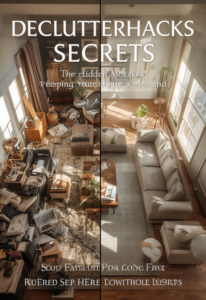

Book declutter methods can transform chaotic shelves into peaceful reading spaces, but many people struggle with emotional blockades, guilt, and the practical challenge of letting go of books. If your personal library keeps growing or you feel overwhelmed by years of unread and sentimental volumes, this guide will walk you through proven book declutter methods, real-world results, and expert-backed solutions to common setbacks.
Key Takeaways
- Emotional barriers like guilt, sunk cost, and nostalgia are normal during book decluttering—sustainable change comes from steady, repeatable habits.
- Few guides cover long-term book clutter prevention, digital transitions, or how to handle ongoing influxes of new books and gifts—be proactive about all three.
- No perfect system exists: expect some regret or re-cluttering, but small wins, the right frameworks, and emotional strategies make success realistic.
- The Core Concept of Book Declutter Methods
- Step-by-Step Guide: Decluttering Your Personal Library
- Advanced Analysis & Common Pitfalls
- Conclusion
- FAQ Section
The Core Concept of Book Declutter Methods
Book declutter methods are practical frameworks designed to help readers minimize, organize, and maintain their personal book collections. The goal is not just fewer books, but greater accessibility, more space, and reduced mental clutter. While many start with high motivation, research shows that long-term success depends on slow, consistent progress and confronting common emotional challenges—including guilt over unread books or gifts, and fear of losing sentimental stories.

Popular methods like the container method by Dana K. White and Swedish Death Cleaning encourage honest evaluations of what to keep by asking if you’d truly repurchase or pass a book to your heirs. Anecdotal evidence highlights that successful declutterers adopt small, daily actions—removing a single book at a time, restricting storage space, and prioritizing representations instead of complete collections. But many guides overlook emotional sticking points and the ongoing influx of gifted or impulse-bought books. Realistic decluttering recognizes re-cluttering happens, and that maintenance habits are just as important as the initial purge.
Step-by-Step Guide: Decluttering Your Personal Library
-
Set Realistic Goals and a Timeline
Decide if you want to reduce an overstuffed room to a single shelf, or create visible order. Be honest about your bandwidth—declutter in 15-30 minute sessions instead of marathon days to avoid burnout and regret.
-
Choose a Framework
Try one of these methods for structure:
- 5-day clutter shakedown—an effective framework for fast progress.
- Swedish death cleaning—filter books by their value to others.
- Container method—define a shelf or box limit; only keep what fits.
- One-in, one-out rule—balance every new book with a donation (see this guide).
-
Sort and Categorize
Pull all books from one area and group by category: unread, reference, sentimental, gifted, and collections. If the pile feels overwhelming, use the chaos decluttering method to confront your true volume.
-
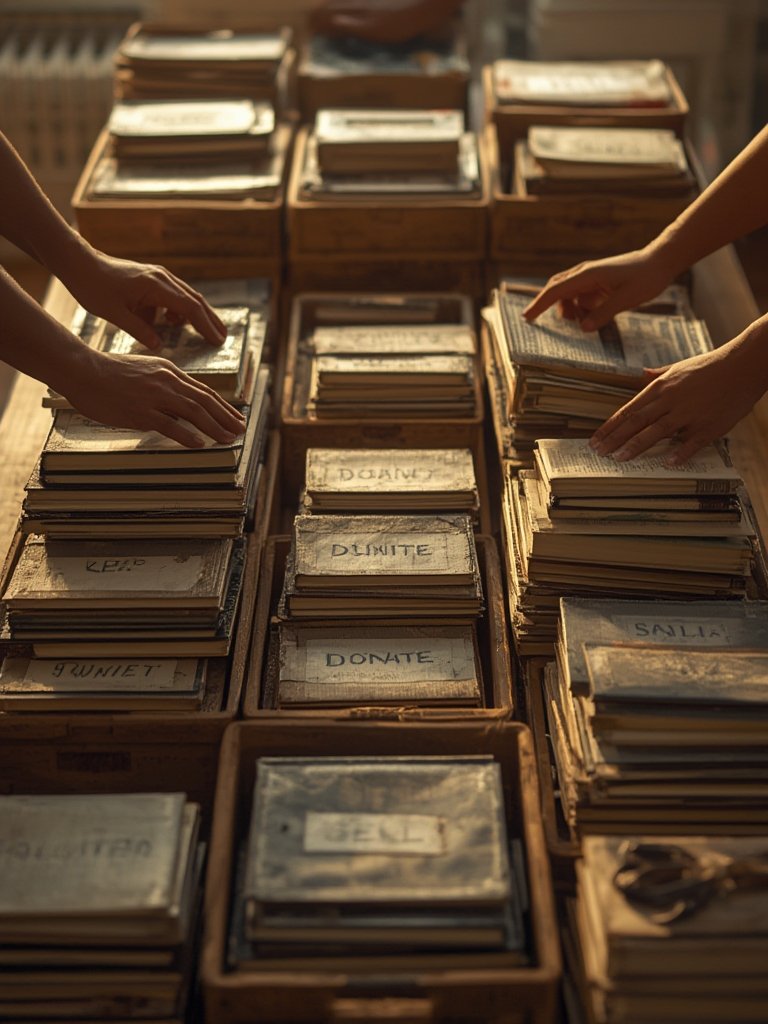
Decision Time: The “Keep, Donate, Digitize, Recycle” Test
- Keep: Only if you absolutely love it, reread it, or will reference soon. Aim for 20 percent or less if possible.
- Donate: Libraries, charities, and “little free libraries” are good options, but expect guilt especially for unread books.
- Digitize: Scan sentimental documents or purchase digital editions to save space.
- Recycle: If damaged, outdated, or unsellable, recycle responsibly.
-
Organize What Remains
- Group by author, subject, or color for accessibility.
- Try shelf dividers, bins, or 90L storage bags (see a product review).
- Keep your most-used or favorite books in the most accessible spots.
-
Build a Maintenance Habit
- Adopt daily wins, such as the 10-minute declutter challenge—just one book or section per day.
- Practice “take it there now”—put away or donate as soon as possible to avoid re-cluttering.
- Set reminders each quarter to review and re-cull as needed.
-
Prepare for Future Influxes
- Politely discourage gifts of books, or direct friends to wishlists.
- Try a no buy year challenge to limit acquisitions and reinforce your new habits.
Advanced Analysis & Common Pitfalls
Despite best intentions, book decluttering comes with recurring hurdles. Long-term maintenance is often neglected, with rooms quickly reverting to cluttered states. The emotional tax of letting go, especially for unread or aspirational books, results in ongoing guilt and decision fatigue, particularly when new gifts or impulse purchases continue to arrive. Digital transitions are often overlooked, leaving e-book clutter to accumulate as well.
| Pitfall | Root Cause | Solution/Strategy |
|---|---|---|
| Re-cluttering after a purge | Lack of maintenance habit, continuous incoming books | Daily/weekly review, “take it there now” habit, inventory checks before new purchases |
| Guilt over gifted books | Obligation, sentiment, fear of offending giver | Apply the guilt clutter method; remember that gifts serve their purpose once received |
| Unread book purges feel wasteful | Sunk cost fallacy, aspirations vs. reality | Release by donating; track and avoid similar impulse buys in future |
| No digital transition plan | No e-reading system, fear of digital clutter | Assess which books can become digital, use devices/apps intentionally, periodically declutter e-books too |
Studies and anecdotes back up these obstacles. For instance, a 2025 personal decluttering report details users dropping from five full bookcases to one but wrestling with ongoing incoming books and periods of regret. Academic research shows that earmarking possessions for disposal—including books—triggers emotional discomfort and decision fatigue, especially when sentimental value and aspirations are involved (source). Another review of spring cleaning habits found that while 52 percent of people expect to maintain their organizing routine, 49 percent dread the toughest areas like overflowing shelves (American Cleaning Institute).
It’s also important to recognize what’s missing from most competitor guides: Few cover how to sustain progress after a big declutter, manage ongoing emotional triggers, or purposely integrate digital and physical collections for holistic minimalism. Borrow strategies from viral trends such as the cobwebbing method to break emotional ties, and always keep digital decluttering on your radar—don’t let your Kindle or cloud fill up with hundreds of forgotten downloads (see our digital declutter guide).

Conclusion
Book declutter methods require honest self-assessment, emotional resilience, and consistent daily habits. Real results come from combining a structured method—like the container or chaos method—with hacks for guilt, routines for maintenance, and a willingness to accept the ongoing ebb and flow of books. There is no “final state,” and re-cluttering is normal after any purge, but with repeated practice, you will find your personal sweet spot between access and abundance. If you’re ready to reclaim space and peace of mind, start applying book declutter methods today.
Struggling with other household clutter? Read our guides to kitchen organization, simple home decluttering, and how to use AI to organize your home. Take your first step now.
FAQ Section
How many books should I declutter in one session?
There is no universal number. Anecdotes show people donating as few as 21 books or as many as 3-4 boxes at a time. Start with a manageable section—such as one shelf—and stop before you feel decision fatigue. Slow, steady progress works best for most people.
What should I do with books that are gifts or have sentimental value?
It’s normal to feel guilt. The “guilt clutter” strategy suggests thanking the book or gifter for their role in your life, then donating if you no longer need it. You’re not obligated to keep every gift.
How can I prevent my shelves from filling up again after a big declutter?
Adopt the “one in, one out” rule and make maintenance a daily or weekly habit. Schedule frequent reviews and avoid buying books unless there’s a specific need or strong desire. Be honest with yourself about what you’ll truly read.
Are digital books always the best solution for reducing physical clutter?
Not always. Digital clutter can build up as well, and some people enjoy the tactile experience of paper books. If you transition, periodically review your digital library and delete unwanted titles to avoid overwhelming yourself in a new format. If making the switch, you may wish to purchase digital editions.
How do I organize the books I decide to keep?
Use simple systems such as grouping by author, genre, or theme. Shelf dividers or bins can increase accessibility. If you’re short on space, try storage bags or limit yourself to a defined “container.” The method you choose should make finding and returning books easy.