

Clothing capsule wardrobe can completely change the way you dress and organize your closet—but unless you approach it realistically, you risk ending up with regret and a wardrobe that doesn’t work for your daily life.
Key Takeaways
- Capsule wardrobes can help reduce clothing clutter, but transitioning from a traditional closet can present unexpected challenges.
- You can significantly cut shopping, upkeep costs, and time spent on outfit decisions, but actual savings depend on your habits—not just the number of items.
- Success requires honest decluttering, planning for seasons, and flexibility for real life—avoiding the one-size-fits-all capsule trap.
- What Is a Clothing Capsule Wardrobe?
- Your Step-by-Step Guide to Building a Capsule Wardrobe
- Advanced Analysis & Common Pitfalls
- Conclusion
- FAQ
What Is a Clothing Capsule Wardrobe?
A clothing capsule wardrobe is a tightly curated collection of clothing—often 30–40 versatile pieces including tops, bottoms, layers, and shoes—that allows you to mix and match for every occasion. The goal is to make getting dressed effortless, reduce decision fatigue, and keep your closet clutter-free. Unlike traditional shopping, where you might accumulate dozens of rarely worn items, a capsule wardrobe prompts you to prioritize quality, personal style, and seasonality.
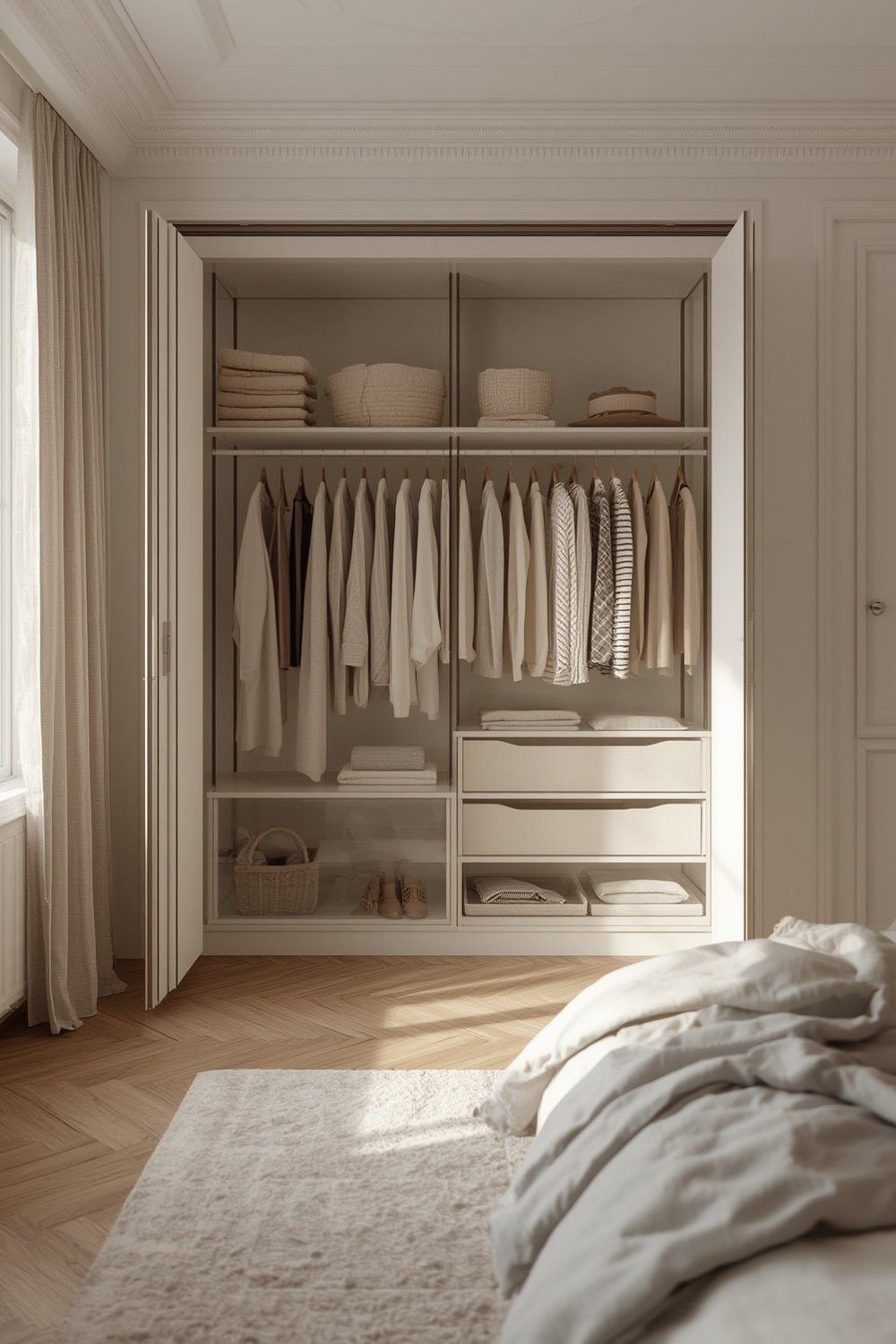
The capsule approach originates from the minimalist movement and is now a go-to declutter strategy for anyone seeking a more intentional lifestyle. It reduces wardrobe waste and overconsumption—addressing problems seen in the US apparel industry, which had a $365.7 billion revenue in 2024 [source]. While nationwide data on individual clothing ownership is lacking, the average American household spends about $17 per month on apparel, underscoring the opportunity for savings and simplification [source].
This method thrives on principles similar to the no buy year challenge and one in, one out rule, both of which focus on mindful acquisition and purposeful decluttering, ensuring you keep only what you actually wear.
Your Step-by-Step Guide to Building a Capsule Wardrobe
Ready to build your own capsule wardrobe? Here’s exactly how to get started—and make it actually work, even if your closet is currently chaos.
1. Audit Everything You Own
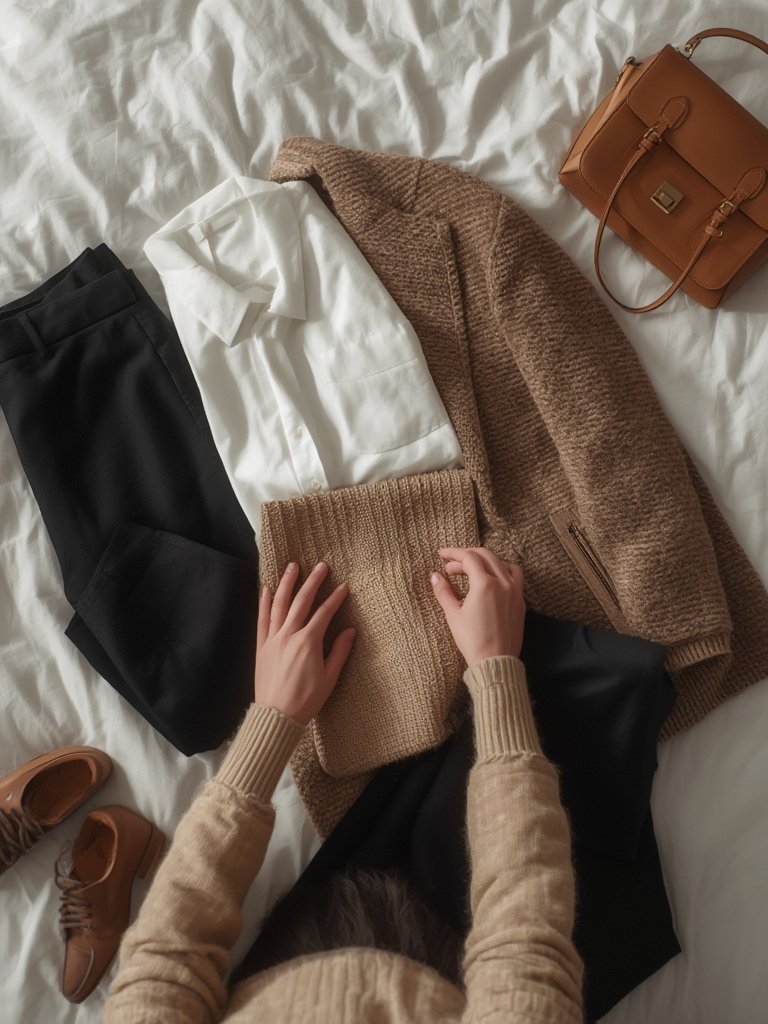
Lay out all your clothing on your bed or a clean surface. Group pieces into clear categories: tops, bottoms, layers, shoes, accessories, and specialty gear (like workout clothes or work uniforms). If you find items in other rooms, add them to the relevant pile.
2. Ruthlessly Edit Down
Use the wear-it-or-donate rule. For each item, ask: Have I worn this in the last three months? If not, will I realistically wear it soon or is it wishful thinking? If it’s out of season, did you wear it last suitable season? If it doesn’t fit, isn’t comfortable, or doesn’t match anything else, let it go. Donate or sell, and use guilt clutter strategies if you feel torn about letting go of gifts.
3. Identify Your “Uniform”
Observe what you actually reach for each week. Many people gravitate toward a handful of comfortable, flattering staples. Write down your go-to colors, fabrics, and silhouettes. This will inform your capsule and help avoid building one around someone else’s fantasy aesthetic.
4. Create a Master Capsule List (Start at 30 Pieces)
Most successful capsules for everyday life (not ultra-minimalist or Instagram) land at 30–40 pieces including:
- 7–10 tops (mix of short and long sleeves)
- 3–5 bottoms (jeans, trousers, shorts, or skirts)
- 2–4 layering items (sweaters, jackets, cardigans)
- 2–4 pairs of shoes (casual, dressy, weather-specific)
- Optional: 2–3 dresses or jumpsuits, a blazer, statement accessories, seasonal gear
Your exact count will depend on your climate, job, hobbies, and how often you do laundry. Don’t forget to adjust for hot/cold weather or special events. If you’re athletic or outdoorsy, reserve a small “activewear” capsule on the side—see our gym clothes organization hacks for more tips.
5. Build Flexibility for Real Life
Don’t force a rigid number. Instead, select pieces that layer well, work for multiple settings, and suit your lifestyle. Replace worn or ill-fitting items as needed, following the one in, one out rule. If your capsule starts to feel stale, kick things off with a quick wardrobe refresh to stay on track.
6. Store Out-of-Season Clothing
Keep your daily closet spare by storing off-season items in labeled bins or under-bed organizers. Use 90L storage bags or drawer dividers for maximum space efficiency.
7. Perform a Wardrobe Reset Every Season
At the start of each season, revisit your capsule. Remove anything that no longer fits your needs or feels “off.” This “seasonal shakedown” ensures your wardrobe adapts to changing fashion and life circumstances. Learn more about rapid resets in our 5-day clutter shakedown guide.
Advanced Analysis & Common Pitfalls
While building a capsule wardrobe offers benefits, many users run into realistic snags along the way. Here’s what usually goes wrong and how to navigate those challenges.
Comparison: Traditional Wardrobe vs. Capsule Wardrobe
| Aspect | Traditional Closet | Capsule Wardrobe |
|---|---|---|
| Number of Items | 50–150+ | 30–40 |
| Decision Fatigue | High | Low |
| Time to Get Dressed | 8–15 min avg. | 2–5 min avg. |
| Annual Apparel Spending | $200+ | Lower (varies) |
| Clutter/Storage Stress | High | Low |
| Missed Outfit Opportunities | Frequent (forgotten items) | Rare (everything visible) |
Common Pitfalls When Shifting to a Capsule Wardrobe
- Letting minimalism become too rigid. If your capsule is too strict, you’ll resent it. Include a few “just for fun” or sentimental pieces for balance. The cobwebbing method helps with emotional attachment.
- Neglecting seasonal needs. If you live in a four-season climate, you need to rotate pieces or keep a small “off-season” bin.
- Copying someone else’s checklist. Influencer-approved lists are often unrealistic. Build your own based on your actual schedule and lifestyle.
- Ignoring laundry realities. If you do laundry weekly, you might need more tops than a strict 30-piece count suggests.
- Holding onto guilt clutter. Keeping unwanted gifts or “someday” sizes clutters your capsule and triggers negative feelings. Learn more in our guide to guilt clutter.
- Buying cheap fast fashion for your capsule. Poor-quality basics wear out quickly, creating more shopping and waste.
Financial and time savings can be dramatic once you adjust. Still, exact dollar amounts depend on your previous spending habits, not just the size of your closet. While the US spends about $17/month on apparel on average [source], you may save more if you consciously delay or eliminate impulse purchases.
Most capsule proponents report less shopping, lower stress, and easier daily routines once the system is customized for real life—not just for aesthetics. For stubborn sentimental attachments that bottleneck progress, review the psychology behind the process in the cobwebbing method.

Conclusion
A clothing capsule wardrobe isn’t a magic shortcut. It’s a practical reset for your closet and daily routines—when done realistically. Start with honest decluttering, build in seasonal flexibility, and allow for a few personal “wildcards.” Over time, you should see less shopping, far less mess, and more confidence with every outfit you choose. Start your clothing capsule wardrobe project today and see how much lighter your mornings and closet can feel.
If you found these tips helpful, try tackling another area of your home with our declutter hacks reviews for easy home organization.
FAQ
How many pieces should be in a capsule wardrobe?
A typical capsule wardrobe includes 30–40 pieces, including tops, bottoms, layers, and shoes. The number isn’t set in stone. Pick what fits your lifestyle, climate, and laundry schedule.
How do you keep your capsule wardrobe fresh each season?
Rotate out off-season items every three months. Add or swap 2–3 new pieces if needed. Periodically review for fit and personal style shifts. Use storage bags or labeled bins for out-of-season clothes.
Can I build a capsule wardrobe on a tight budget?
Yes. Start by using what you own. Only replace worn or missing essentials. Thrift stores, secondhand apps, and local swaps are affordable ways to fill wardrobe gaps.
How do I avoid regretting donated clothes?
Wait a month before donating questionable items—store them in a box. If you don’t reach for them during that time, you’re truly ready to let go. The cobwebbing method can help with emotional letting go.
Does a capsule wardrobe really save time and money?
For most, yes. With fewer items and more outfit options, you spend less time choosing clothes and less money replacing unworn or low-quality pieces. Actual savings vary based on your habits prior to switching.

[…] keep small spaces from devolving into aggravating black holes. Unlike large-scale projects like a capsule wardrobe, transforming a single drawer is fast, affordable, and realistic for […]
[…] Living in a small space or struggling with laundry bottlenecks? Thoughtful clothing rotation not only minimizes stress but allows you to take advantage of wardrobe hacks like capsule wardrobes. For a similar approach for adults, see this guide to capsule wardrobes. […]