

Focus Keyword: drawer dumping method
Drawer dumping method is the fastest, most blunt-force approach for dealing with messy, overstuffed drawers—but does it actually work better than old-school decluttering? If your junk, kitchen, or desk drawers feel like black holes, the drawer dumping method might finally help you break the cycle of half-hearted tidying. Let’s get practical about how this technique works, where it falls short, and how to make it stick in the real world.
Key Takeaways
- The drawer dumping method means emptying everything out for ruthless sorting—messy but effective for most cluttered drawers.
- No 2024 data proves it’s faster or more productive than traditional methods, but breaking routine helps expose forgotten junk and simplify decisions.
- Real-world pitfalls include overwhelm, decision fatigue, and re-clutter risk—use advanced tricks and a clear plan to avoid backsliding.
- What is the Drawer Dumping Method?
- How to Use the Drawer Dumping Method: Actionable Steps
- Advanced Analysis & Common Pitfalls
- Conclusion
- FAQ
What is the Drawer Dumping Method?
The drawer dumping method is as direct as it sounds: you take every single item out of a drawer all at once, pile it up in full view, and then sort ruthlessly before only returning essentials. The main purpose is to force you to confront the chaos, making it impossible to keep shoving things into the back and “decluttering” one item at a time. This method exposes random accumulation, duplicate items, and forgotten junk rapidly—setting the scene for decisive action.
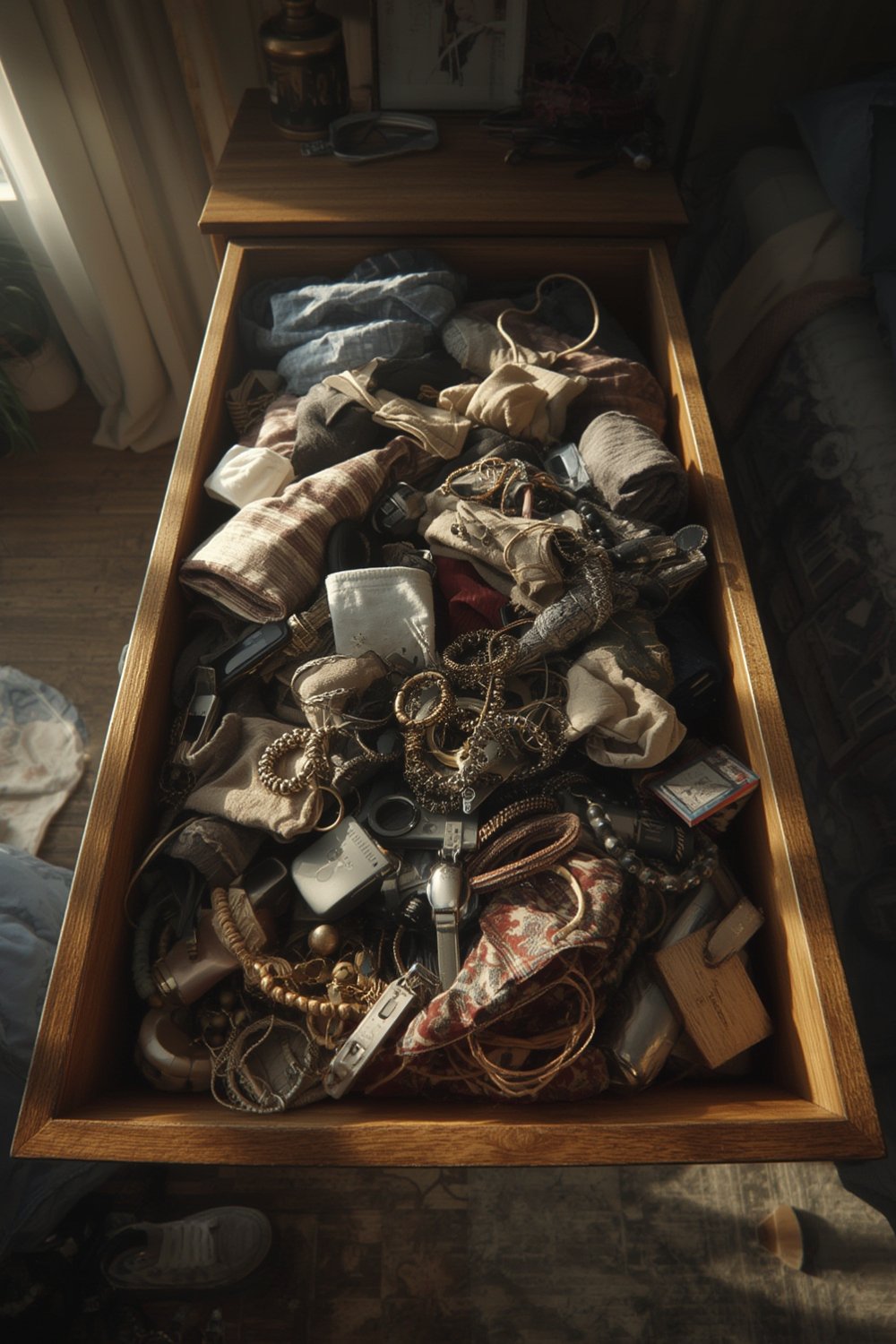
While traditional decluttering usually means shifting things around, plucking out obvious trash, or rearranging a few utensils, drawer dumping is total. You see the full scale of the mess, making it easier to stay honest as you sort and only put the best (or necessary) items back. The method closely relates to the chaos decluttering method and other “empty everything” strategies that work by creating a hard reset for the space.
Many people try this method because their drawers become so packed or tangled that gentle tidying never solves the root problem. Emptying the drawer creates a starting point—often uncomfortable, but essential for real change.
How to Use the Drawer Dumping Method: Actionable Steps
Here’s a practical, room-tested roadmap for using the drawer dumping method on any problematic drawer—from the notorious kitchen junk drawer to your office supplies or dresser underwear compartments.
-
Choose One Drawer—Not an Entire Room
Start small. Pick your most chaotic drawer. Avoid dumping multiple drawers at once, since the mess will multiply and slow you down. -
Empty Every Item Out
Remove every item—don’t leave anything behind. Spread the contents out on a flat surface. Don’t sort yet. Just dump. -
Clean the Drawer Interior
Vacuum crumbs. Wipe spills. This is non-negotiable—otherwise you’ll put clean items back into a dirty home base. -
Sort Items into Clear, Decisive Piles
Create basic categories: Keep, Toss, Move (to another location), and Unsure (limit this pile to just a few items). -
Decide Ruthlessly
Work fast. Ask: When did I last use this? Do I own duplicates? Would I buy it again? If not—get rid of it, or relocate. -
Use Compartments and Organizers
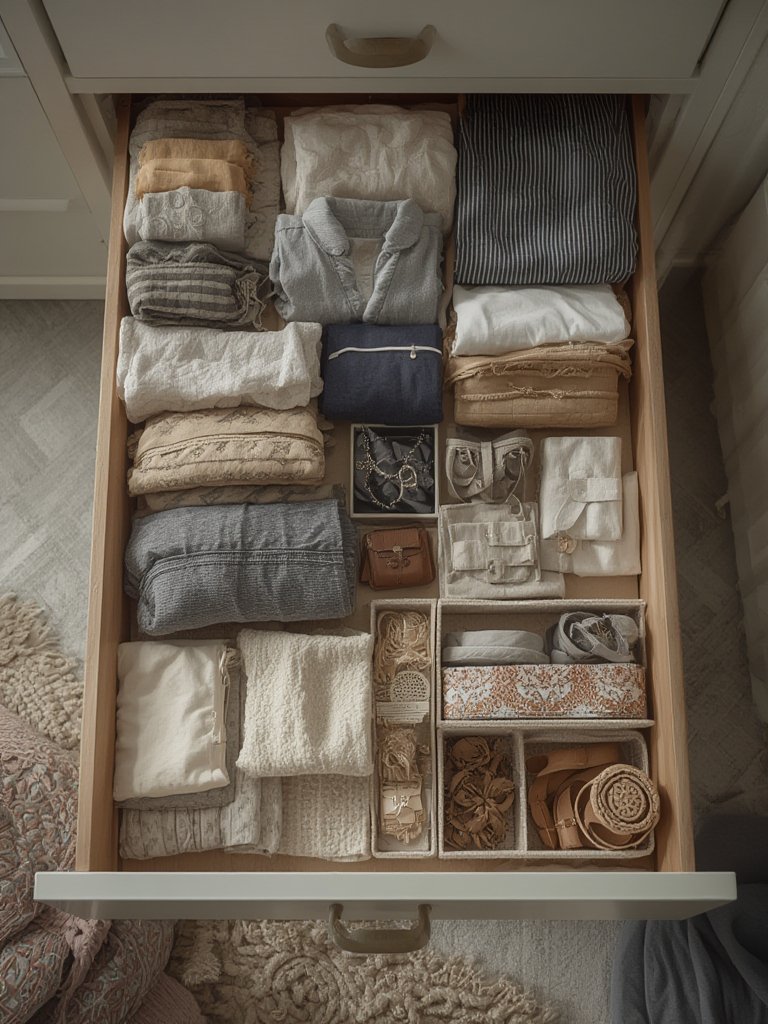
Before you return items, use dividers, small boxes, or even ice cube trays to group similar things. See more creative ideas in our airtight glass food storage jars post, which also tackles kitchen drawer chaos. -
Return Only Essentials
Place the best, most useful items back—spaced out and separated. Everything else goes to its next destination (donation, trash, or storage elsewhere). -
Label or Group for Future Maintenance
Labels, color coding, or grouped containers (like gym clothes drawer systems) help prevent re-clutter. Small tweaks now save major time later.
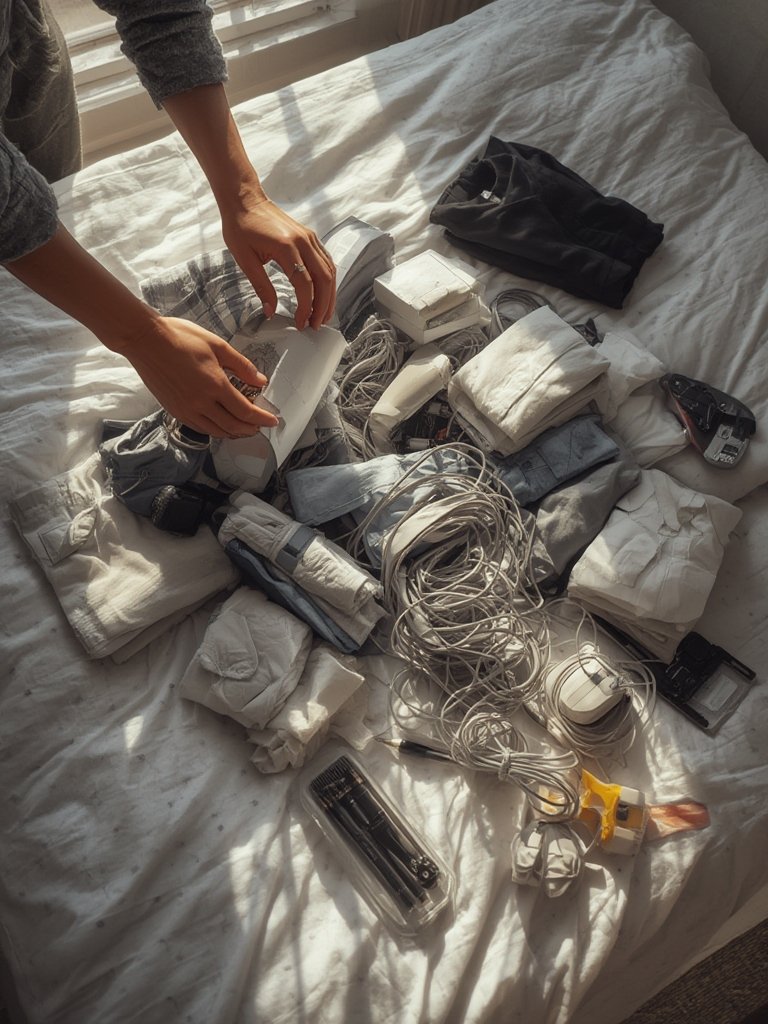
If you want to tie in smart tools for ongoing organization, consider AI-powered apps as described in our guide: how to use AI as a personal home organizer. Automating reminders and keeping digital inventories help keep drawers neat for the long haul.
The key is consistency—repeat the process every few weeks until staying organized feels like second nature. Supplement your new structure with daily mini-challenges such as the 10-minute declutter challenge to maintain momentum.
Advanced Analysis & Common Pitfalls
While the drawer dumping method is straightforward, it comes with a real risk of overwhelm—especially if your drawer is absolutely packed or sentimental items are involved. Let’s examine challenges most likely to derail your progress, based on the latest research data:
| Pitfall | Why It Happens | How to Overcome |
|---|---|---|
| Overwhelm From Mess | Dumping everything at once creates a massive, intimidating pile—especially for drawers with years of accumulation or sentimental objects. | Set a timer, finish sorting no matter what. If needed, immediately scoop remaining items into a basket to avoid abandoning the project mid-way. |
| Decision Fatigue | Too many small objects and non-garbage “maybe” items slow you down, making it hard to finish. | Limit the “unsure” pile (max 3 items) and decide on the rest, fast. Use the 5-day clutter shakedown principles for rapid-fire decisions. |
| Re-clutter Risk | Without systems (labels, compartments), clear-out results fade quickly—drawers revert to chaos within weeks. | Use dividers, cheap boxes, or specialty organizers. See our product review of 90L storage bags for inspiration, especially for closets and under-bed storage. |
| Not Applicable for All Drawers | Deep kitchen drawers, fragile items, or multi-owner spaces (shared office drawers) may require more nuanced, less aggressive methods. | For special cases, consider hybrid tactics or seek advice from our three simple steps to a tidy home guide, which balances speed with sensitivity. |
There’s also a lack of direct evidence that this method saves more time than traditional organizing. No 2024 research directly compares productivity outcomes for extreme drawer dumping versus slow, piece-by-piece tidying. General business surveys suggest US professionals waste 96 minutes a day on unproductive chores (source), but this isn’t drawer-specific.
Common frustrations—according to a 2024 survey—include 52% of Americans cleaning their junk drawer only once a year (or less), 25% describing theirs as “complete chaos,” and a surprising 10% never cleaning theirs at all (source). This suggests that psychological barriers and lack of maintenance, rather than the method itself, are the biggest obstacles.
Despite the prevalence of no buy year challenges and related declutter trends, there’s no strong expert consensus on a universal best-practice sorting method for drawer organization as of 2024 (source).
Conclusion
The drawer dumping method forces you to face drawer chaos head-on, leaving no room for lazy excuses or second-guessing. While there’s not enough 2024 data to prove it’s faster than classic tidying, many find that seeing the full mess provides the clarity needed for decisive sorting and lasting results. If you’re ready for a zero-compromise approach—and can embrace a little temporary mess in service of an organized future—the drawer dumping method is worth trying now. Get started today, and transform your worst junk drawer from a black hole to a functional space. Questions or real-world success stories? Share below or explore our other declutter hacks reviews for additional strategies.
FAQ
Does the drawer dumping method really work for everyone?
For most people, emptying everything at once exposes the full scale of clutter and speeds up decision-making. However, some may feel overwhelmed by the sudden mess—if so, start with smaller drawers or try organizing one section at a time.
How often should I use the drawer dumping method?
Most drawers benefit from a complete reset every 3-6 months. If you notice chaos returning sooner, make it monthly, or incorporate a daily mini-challenge for maintenance.
What should I do with items I’m unsure about?
Limit your “unsure” pile to 2 or 3 items per drawer. Place them in a clear container with a date label. If you don’t use them over the next month, it’s time to let go or find them a permanent home.
Are there any recommended products for optimizing drawer space?
Modular dividers, clear acrylic trays, and labeled storage bins are top picks. For kitchen spaces, airtight jars like these are excellent for grouping small items. Prices and exact recommendations vary, so choose what fits your drawer dimensions and item types.
Can this method be used for shared or work drawers?
Yes, but communication is essential. For shared spaces, involve all users in the process and agree on organizational systems to maintain order longer.