

### Blog Post:
Focus Keyword: expired skincare purge
Key Takeaways
- Most consumers do not regularly check for expired skincare, leading to wasted products and potential risks.
- No strict regulations define shelf life for common skincare items, making self-auditing essential.
- Effective storage, minimalism, and regular resets can reduce waste, clutter, and long-term costs.
- Understanding the Expired Skincare Purge
- How to Purge Expired Skincare: Step-by-Step
- Advanced Analysis & Common Pitfalls
- Conclusion
- Frequently Asked Questions
Understanding the Expired Skincare Purge
An expired skincare purge means systematically identifying and removing outdated skincare and beauty products from your bathroom, vanity, or bedroom. Most users rarely check product dates, so creams, serums and SPF often pile up and quietly expire. With no universal rules for cosmetic shelf life and little education on safety risks, it’s easy to overlook the problem. The result? Wasted money, increased clutter and, potentially, skin irritation or lackluster results from your favorite products.

Overconsumption drives 20-40% of beauty products to become waste, sometimes due to sheer neglect or forgotten duplicates hiding in drawers, according to reports from industry waste sources. Every expired product is money and environmental resources down the drain. If you share a bathroom or love trying new products, regular expired product purges can keep both your skin and your shelves in top shape.
Combining bathroom product audits with proven declutter hacks and minimalism not only reduces clutter but also cuts down on beauty waste. Learn to recognize key warning signs and adopt smart organizing tricks to avoid the mess—and risks—of expired cosmetics.
How to Purge Expired Skincare: Step-by-Step
Lack of clear labeling and unstandardized expiry dates can make expired skincare purge daunting, but a structured approach makes all the difference. Use this step-by-step method to regain control of your bathroom beauty arsenal.
- Empty the Space: Clear your shelves, drawers or vanity completely, putting every product in plain view.
- Check for Expiry Symbols: Look for the Period After Opening (PAO) symbol, usually a small jar with “6M” or “12M” (6 or 12 months after opening) stamped somewhere on the package, or an explicit expiration date. No symbol? Check for color, smell, or texture changes.
- Most creams, cleansers, and SPFs last 6-12 months after opening; powders may last up to 24 months.
- Group by Product Type: Sort serums, moisturizers, make-up, SPF, masks separately. Cross-compare similar items to spot duplicates or products you’ve neglected.
- Toss the Expired: If the date is up, or appearance has changed, discard the product. When unsure, remember: performance and safety can’t be guaranteed beyond manufacturer recommendations. For makeup with no visible date, go by smell and texture or toss after 24 months—whichever comes sooner.
- Clean the Area: Wipe down storage spaces to remove residue and dust before restocking.
- Return Only What’s Fresh: Replace only products in good condition, ideally those you use more than twice a week. Store by frequency—daily use products in front, occasional use deeper in the shelf.
- Set a Review Reminder: Use a digital calendar alert or a sticky note inside your cabinet door to trigger a quarterly (every 3 months) check for expired or nearly empty products. For help, AI-powered home organizers can automate these reminders—a topic we cover in our AI home organizer guide.
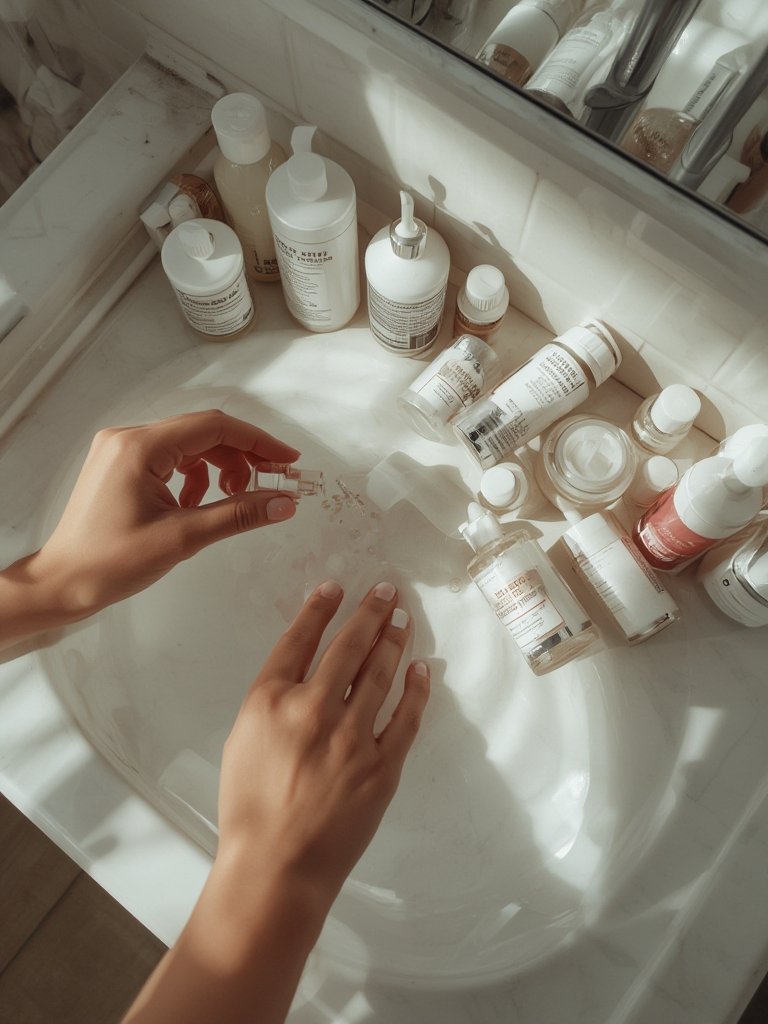
Want to supercharge your organization? Transparent airtight jars and bins keep products visible and separated by type or frequency. Labeling shelves or bins helps everyone in the household follow the system—especially useful in busy bathrooms.
Try compact organizers (see our 5-day clutter shakedown or drawer dumping method) to tame chaotic cabinets and drawers.
Advanced Analysis & Common Pitfalls
Purging expired skincare sounds simple, but several challenges and pitfalls can throw off even the most organized person. Drawing from the latest research, here are the real-world obstacles and how to overcome them:
| Common Pitfall | Why It Happens | How to Avoid |
|---|---|---|
| No Expiry Date or PAO Symbol | Brands aren’t always required to print these; older products may lack clear labels. | Inspect texture, color, and odor for changes; toss products with missing or unreadable labels after one year. |
| Overconsumption and Duplication | Impulse buying, chasing trends, or unplanned gifts lead to having too much. | Adopt minimalism, consolidate types, and use up what you have before buying more. See the no buy year challenge. |
| Sentimental Attachment | People keep old favorites or expensive “miracle” creams just in case. | Recognize the “sunk cost” fallacy; if it’s expired, it can’t help you. Try the cobwebbing method to break this cycle. |
| Unaware of Hazards | Lack of consumer education—most media covers industry, not personal safety risks. No strong regulation on shelf-life by product type. | Stay proactive: plan quarterly resets and educate family. For a thorough breakdown of industry waste data, see Professional Beauty UK. |
| Poor Storage Practices | Warmth, humidity, or direct sunlight accelerate product spoilage. | Keep all products in cool, dark places and ensure lids are tightly closed. Explore temperature-sensitive items for temperature-sensitive items. |
| Improper Disposal | Most users toss old skincare into the trash, creating environmental stress. | Check for local recycling options and follow the latest disposal guidelines. Only 35% of US consumers recycle bathroom products (Woola). |
There is virtually no regulatory guidance outlining exactly how long a serum, moisturizer, or SPF remains safe or effective. Most manufacturers use conservative PAO recommendations, but product age, storage conditions, and ingredients all play a role. If in doubt, protect your skin by choosing caution over nostalgia.
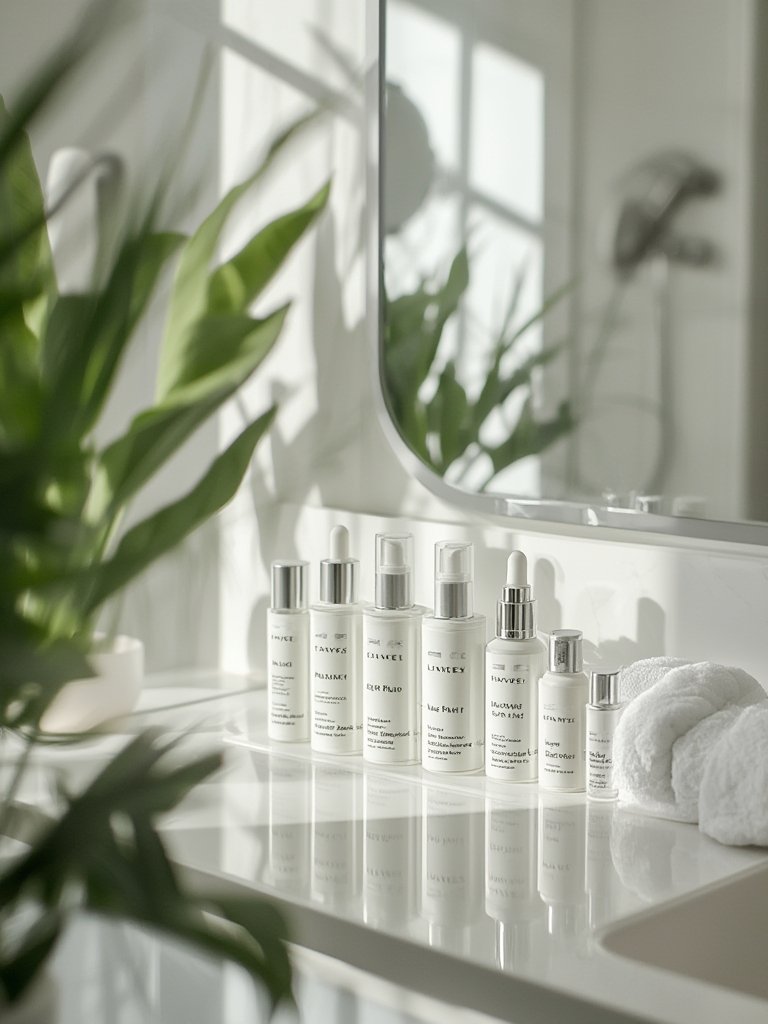
Another issue: Few consumers assess the true cost of wasted products. While global supply chain losses in beauty products due to expiry reach $4.8 billion (source), the average person isn’t tracking bathroom bin totals. Practicing minimalism and regular resets not only saves money but streamlines routines.
If visual clutter is overwhelming, try breaking your declutter into small daily sessions, drawing inspiration from the 10-minute declutter challenge. This bite-sized strategy can make daunting tasks feel manageable and even enjoyable.
Conclusion
An expired skincare purge isn’t just about appearances. Eliminating outdated products improves hygiene, saves money, and protects both your skin and the planet. Regular checks and streamlined storage encourage smarter, more intentional beauty habits. Make your next expired skincare purge a quarterly ritual—your skin (and wallet) will thank you. Take action today for a safer, simpler, and more sustainable bathroom routine!
Frequently Asked Questions
How often should I do an expired skincare purge?
Ideally, check your skincare and cosmetics every three months. This frequency helps you spot changes before products become unsafe or ineffective.
What are the signs a skincare product is expired?
Changes in color, smell, or texture are major red flags. If a product’s appearance shifts, smells odd, or separates, dispose of it—even if it’s before the labeled expiration.
Is it really unsafe to use out-of-date moisturizers?
While not all expired moisturizers will cause immediate harm, their effectiveness drops with age, and contamination risk grows. When in doubt, toss it out for safety.
Can I recycle old skincare containers?
Many plastic or glass containers can be recycled, but pumps and mixed materials might not be accepted curbside. Check local programs or return to stores that offer recycling schemes.
What’s the most efficient way to avoid product buildup?
Try the “one in, one out” rule or commit to a buying freeze, as explained in the no buy year challenge guide. Minimalism and regular resets are the most sustainable strategies.