

Forgotten hobby declutter is a challenge that sneaks up on even the most well-intentioned organizers. If you’re buried under knitting needles, craft kits, or old sports gear you barely remember buying, you are not alone. Forgotten hobby clutter piles up quietly, complicating home organization and mental focus. Here’s a grounded, practical guide that breaks the cycle for good.
Key Takeaways
- Accumulated supplies from past hobbies create both physical and emotional clutter, draining organization and mental energy.
- Letting go is easier with practical steps—think categorization, short sessions, and systems for guilt-free release.
- Donation, resale, and creative recycling ease guilt and give past passions a second life, reducing waste and supporting others.
- What Is Forgotten Hobby Declutter (And Why It Matters)?
- Step-by-Step: Declutter Forgotten Hobby Supplies
- Advanced Analysis & Common Pitfalls
- Conclusion
- FAQ: Forgotten Hobby Declutter
What Is Forgotten Hobby Declutter (And Why It Matters)?
Decluttering forgotten hobbies means honestly confronting supplies, kits, tools, and equipment bought with good intentions but left unused. Over time, these abandoned interest items pile up in closets, drawers, and corners, often bringing a mix of frustration, guilt, and wasted space.
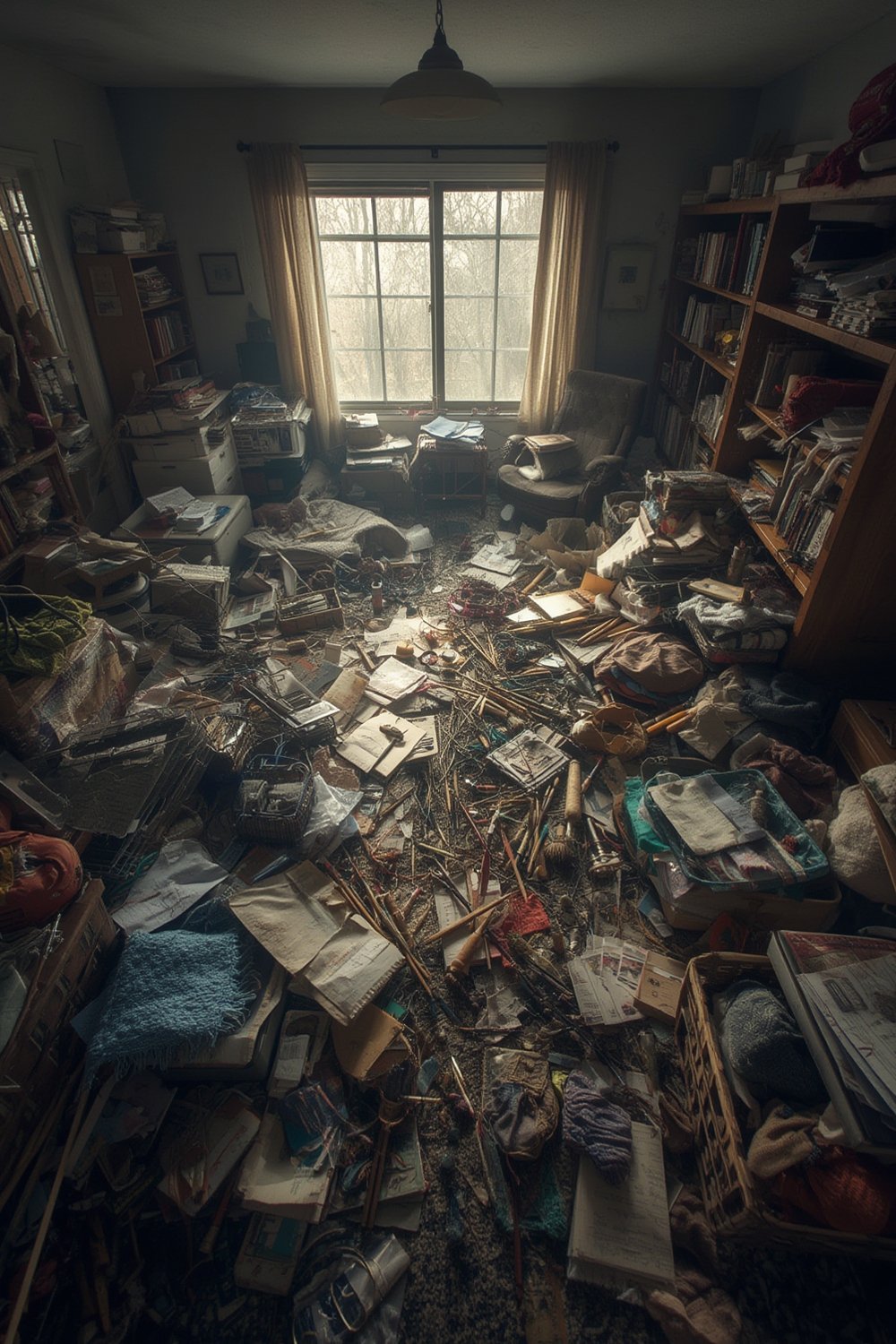
Recent surveys show 95% of Americans have a junk drawer, with 14% discovering forgotten items each time they look—clear evidence of how unnoticed our clutter becomes (source). This isn’t just inconvenient. Research shows that 71% of people buy duplicates simply because the originals are buried or forgotten, leading to time wasted searching and the stress of disorganization (source).
Beyond crowding your closet, this clutter impacts how you feel at home. Studies note that a disorganized space can reduce focus, raise anxiety, and steal from your sense of calm (source). Toss in the guilt over wasted money or abandoned aspirations, and it’s clear: forgotten hobby declutter matters both for your environment and your peace of mind.
For more inspiration on how home organization can reshape your space and mood, see our review of airtight glass food storage jars—a small swap that makes a real difference in kitchen calm.
Step-by-Step: Declutter Forgotten Hobby Supplies
Tackling forgotten hobby clutter can feel overwhelming, especially if you see money and memories tied up in every skein of yarn or unfinished project. The key is a thoughtful, stepwise approach that respects both your space and your past interests. Here’s how to declutter abandoned hobby materials—compassionately and decisively.
1. Gather Everything from One Hobby
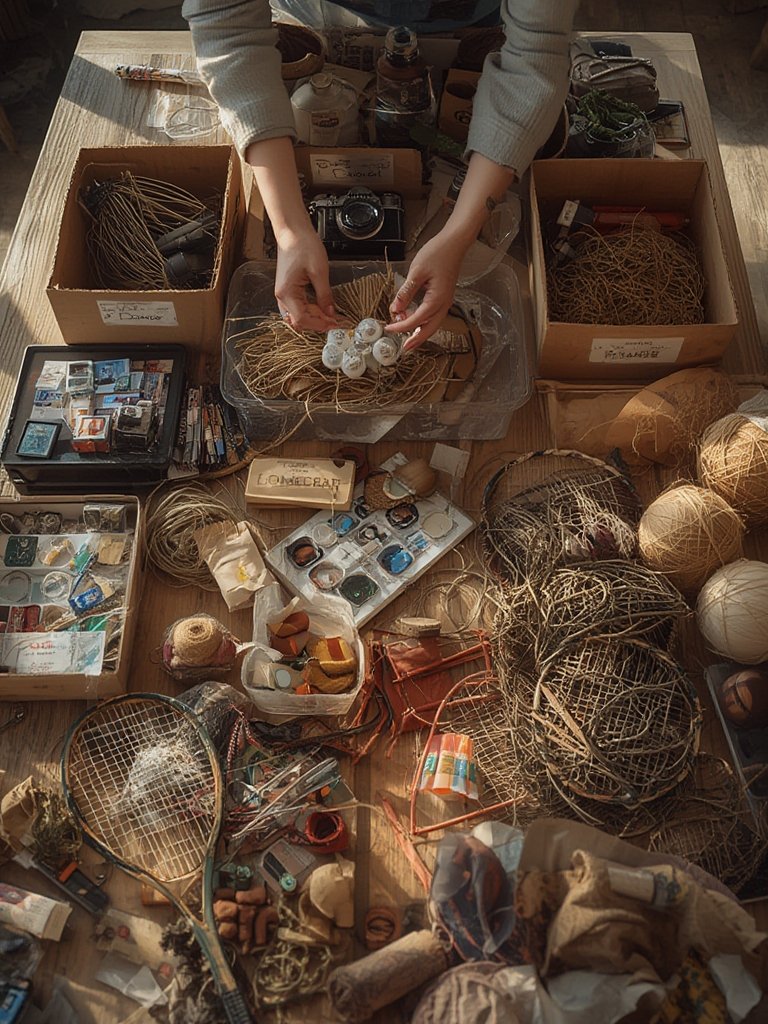
Don’t work room by room—work by hobby. Round up all supplies (e.g., scrapbooking) from every corner of the house. Having it all visible helps you see exactly how much you own and how little you use.
2. Sort Into Clear Categories
Create three groups: Keep (actively used), Release (donate/sell), and Unsure. The Unsure pile is fine—set it aside for a second round after the first wave of decisions.
3. Ask the “Aspirational Self” Question
Would you buy these supplies for this hobby if you started fresh today? If the answer is no, it’s a sign the interest has faded—even if you once loved it. Not all passions are permanent, and that’s okay.
This mindset shift is also key to the popular no buy year challenge, which helps break cycles of overconsumption and guilt accumulation.
4. Let Guilt Go with Action
Feeling bad about money spent or unfinished projects is normal. Give yourself permission to release these items. Donating to a local school, community group, or resale site helps others discover something new—and lessens your sense of waste. Explore our definitive guide to guilt clutter in 2026 to better understand the psychology at work.
5. Set a “Test of Time” Rule
If you haven’t used a supply in over a year, it’s time to let go. Set a timer for a 6-month follow-up on anything you’re truly torn about. Store these separately so they don’t blend back in.
If you’re craving an even faster home reset, try the 5-day clutter shakedown to blitz through multiple clutter hotspots, not just hobby zones.
6. Organize What Remains
Anything you decide to keep must have a home. Use clear containers or labeled bins to avoid reinvesting in duplicate supplies later. For major storage issues, tools like AI home organizers and digital decluttering apps can be game changers.
Advanced Analysis & Common Pitfalls
Expert advice on forgotten hobby declutter usually focuses on emotional release. But the reality is more complex. Here’s what commonly trips people up—and how to move past it.
| Pitfall | What Happens | How to Solve |
|---|---|---|
| Analysis paralysis | Overthinking every “maybe” item—especially expensive or sentimental ones—so nothing leaves. | Set a timer for decisions (say, 2 minutes per item), or use the chaos method to confront everything at once. |
| Guilt over money spent | Feeling wasteful keeps unused supplies around, even years later. | Remind yourself that the money is spent whether or not you keep the item. Gifting or donating creates value moving forward. |
| Mixing up past, present, and aspirational self | Keeping supplies for the life or version of you that you’re no longer pursuing. | Ask: “Does this serve who I am now?” If not, release it. |
| Letting Unsure or “Maybe” piles multiply | Stalling your progress with indecision, so clutter quietly remains. | Schedule a second review date—and stick to it. Move all “maybe” items to a temporary out-of-sight box. |
Financial waste is another sticking point. Americans spend $1.2 trillion every year on non-essentials, much of it winding up as unused clutter (source). The good news: donation and resale platforms are making it easier to give these supplies a useful second act. In the UK, for example, over half of adults donate unused items, highlighting environmental and social impact (source).
Most declutter failures come from infrequent action. Over half of people address junk drawers just once a year or less—so clutter always returns. The solution is repetition and low-pressure maintenance. Try a quick 10-minute declutter challenge to keep those supplies in check between big blitzes.

Conclusion
Forgotten hobbies do not have to haunt your home forever. A clear, honest, and stepwise approach—fueled by compassion instead of guilt—can break the cycle for good. Donation, responsible resale, and letting go of past aspirations turn forgotten hobby declutter from a stressor into an act of self-care. Start today. Your future self (and your uncluttered home) will thank you.
Ready to tackle your forgotten hobby declutter? Set a timer, pick your easiest category, and get your space (and peace of mind) back step by step.
FAQ: Forgotten Hobby Declutter
Why is it so hard to part with old hobby supplies?
Many people feel attached due to money spent, unfinished projects, or nostalgia for a past version of themselves. Recognizing these emotions is the first step to letting go guilt-free.
What should I do with supplies I can’t sell or donate?
Many local recycling programs accept certain materials. Otherwise, see if neighbors, schools, or community centers can use your extras. Giving unused items a new home is always better than landfill.
How can I avoid accumulating new forgotten hobbies?
Adopt a one in one out rule for any new hobby. Commit to finishing starter kits before buying more supplies and reflect on what really interests you.
Is it okay to keep a few sentimental items?
Absolutely. The goal is not zero possessions, but to keep only those that genuinely inspire or comfort you—without creating stress or guilt.
How often should I revisit my hobby supplies?
Once or twice a year is ideal. Tie your review to key calendar moments like spring cleaning or back-to-school season for consistency.