
Fridgescaping 2026 is transforming how we style, organize, and experience our refrigerator interiors, blending sustainability, smart technology, and aesthetics into a practical kitchen centerpiece.
Key Takeaways
- Fridgescaping 2026 focuses on sustainable containers, tech-driven organization, and maximizing space for both function and visual impact.
- The right fridge organization improves freshness, convenience, and waste reduction—especially with modern multi-zone refrigerators and smart containers.
- Challenges include finding affordable products, keeping aesthetics and function balanced, and dealing with rapid tech evolutions.
- What Is Fridgescaping 2026 and Why Is It Trending?
- How to Fridgescape in 2026: Step-by-Step Guide
- Advanced Analysis & Common Pitfalls in Fridgescaping
- Conclusion
- FAQ
What Is Fridgescaping 2026 and Why Is It Trending?
Fridgescaping 2026 means curating your fridge’s interior to be both visually appealing and effortlessly organized, using new materials, smart labeling, and space-saving solutions. It’s about more than lining up milk bottles—it’s a blend of eco-minimalist style, sustainable containers, and the latest tech for tracking freshness and controlling food waste.
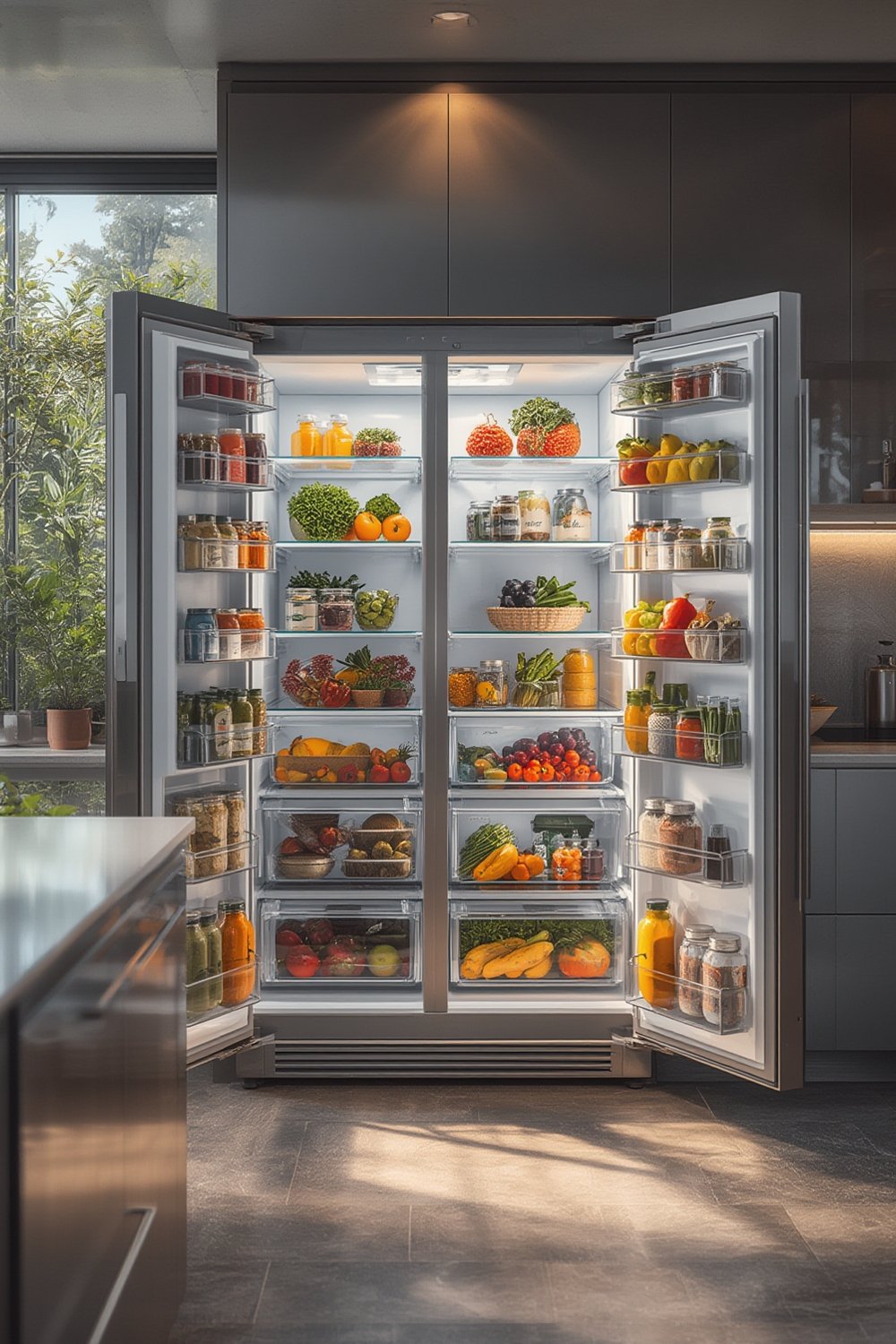
This trend has surged for practical reasons. Modern homeowners need containers and systems that preserve food, fit into the modern fridge’s new layouts (think flexible drawers and multi-door setups), support waste reduction, and still look good when you open the door. Consumers increasingly favor containers like glass and bamboo for their bio-minimalist look; QR-labeled bins connect to your phone for expiry reminders; and stackable modules or humidity-controlled compartments make sure your produce lasts longer and your fridge never feels chaotic.
If minimal clutter, smart storage, and sustainable materials matter to your kitchen, fridgescaping in 2026 delivers all three. New fridge models from leading brands combine intuitive zoning and adjustable drawers, making it easier than ever to maintain a space that’s as functional as it is stylish.
Sources: accio.com, KitchenAid, Whirlpool.
How to Fridgescape in 2026: Step-by-Step Guide
Ready to transform your refrigerator? Here’s a proven fridgescaping process for real homes in 2026, covering the best materials, smart tools, and practical approach for lasting results:
Step 1: Empty, Clean, and Categorize
Remove everything from your fridge. Wipe all drawers, shelves, and bins using unscented soap and warm water. Sort items into categories: dairy, drinks, produce, meal preps, condiments, and snacks. Discard expired or forgotten leftovers.
If you’re seeking sustainable container tips, check out how airtight glass food storage jars can help streamline kitchen organization and keep your food fresher for longer.
Step 2: Choose Your Container Style
Pick a container theme that fits your aesthetic and cooking needs. Bio-minimalist glass and bamboo works for those prioritizing toxin-free storage. Smart Kitchen Hub containers allow for QR/NFC labels—scan with your phone for expiry alerts. Zero-Waste silicone pouches, stackable modular bins, or ethylene-absorbing produce savers can be customized for unique habits. For inspiration and to discover real-life decluttering steps, see Declutter Hacks Reviews: 3 Simple Steps to a Tidy Home.
Step 3: Zone Your Fridge Strategically
Use the built-in features of your refrigerator. Dedicate drawers for produce, adjustable baskets for snacks, and clear bins for beverages. FreshSeal crispers and FreshChill pantry drawers (found in newer models) let you micro-manage temperature and humidity for different categories, extending shelf life (KitchenAid).
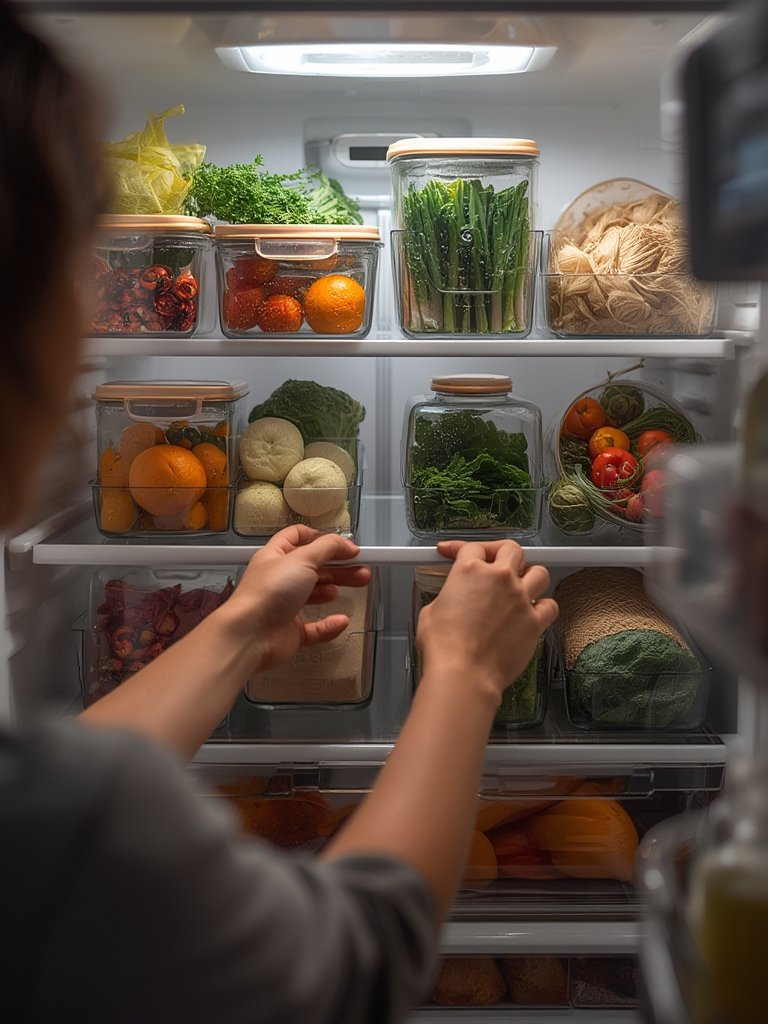
Stackable bins should have easy-pull handles and be labeled for instant access. Exterior drawers, as seen in French and multi-door fridges, hold frequently used items without the need to open the main compartment. If you struggle deciding where containers fit best, explore how AI-powered organization tools can map out efficient storage zones for you.
Step 4: Label, Track, and Automate
Apply large, visible labels (either dry-erase, stick-on, or digital tags). If you’re tech-curious, use containers with QR codes or NFC chips; scan them using your phone to log expiry dates and get real-time freshness notifications—no more mystery leftovers hiding at the back.
Step 5: Maintain It Weekly
Once a week, do a quick five-minute reset. Toss expired foods, wipe crumbs, and shift bins as your grocery needs change. Weekly resets keep your system functional and encourage ongoing waste reduction. If you find sentimental items lingering beyond their stay, try the cobwebbing method—a proven approach for letting go of emotional clutter in your kitchen as well.
Advanced Analysis & Common Pitfalls in Fridgescaping
Despite its appeal, fridgescaping in 2026 comes with challenges worth your attention. Below is a closer look at issues users report—and practical ways to avoid them.
Common Pitfalls
- Overinvesting in Trendy Containers: Not every innovation is necessary. Some QR/NFC-enabled bins are pricey and won’t see frequent use if your habits don’t require them. Always start with a small set before buying in bulk.
- Ignoring Fridge Hardware Compatibility: Aesthetic bins may not fit well in certain fridge models, causing jammed drawers or wasted vertical space. Check your dimensions before ordering new products.
- Neglecting Maintenance: Even the sleekest fridges can become cluttered without scheduled resets. The appeal fades fast if the system isn’t quick to maintain.
- Function vs. Form Imbalance: Eye-catching container styles sometimes trade off practical stacking or airtightness for looks. Don’t sacrifice utility for aesthetics—combine both where possible.
- Cost Uncertainty: Upfront costs in 2026 remain a wildcard for many households. Glass or smart-tech containers and modular bins are typically more expensive than basic plastic—but last longer. When comparing, factor in durability and reduced waste over time, not just sticker price.
Comparison: Popular Fridgescaping Container Styles in 2026
| Style | Best For | Key Features | Pros | Cons |
|---|---|---|---|---|
| Bio-Minimalist | Eco-focused users | Glass, Bamboo, Silicone Seals | Non-toxic, Looks great, Microwave-safe | Heavier, Pricier upfront |
| Smart Kitchen Hub | Tech-savvy, Busy families | QR/NFC Tag Integration | Tracks expiry, Connects to phone apps | Requires app management, Higher cost |
| Vertical Optimizer | Compact fridges, Urban kitchens | Stackable, Modular, Clear bins | Maximizes space, Customizable layouts | May slide, Fit varies by model |
| Produce Preserver | Fresh food lovers | Humidity Vents, Carbon Filters | Keeps produce fresh longer | Less useful for packaged foods |
| Zero-Waste Warrior | Minimalists, Waste-conscious | Silicone Bags, Stainless Steel, Stretch Lids | Reusable, Long-lasting, Space Saving | Not stackable, May stain with sauces |
Expert-Backed Styling Tips
- Favor French or multi-door fridges for flexible, accessible storage zones (KitchenAid).
- Choose containers that match your family’s meal rhythm—airtight glass jars for bulk prep, rolling dispensers for cans.
- Adjust external drawers for grab-and-go snacks, keeping main shelves reserved for meal ingredients.
- Make LED lighting work for you—modern fridges spotlight each zone, making it easier to keep your system both neat and visible (Whirlpool).
- Use QR/NFC tracking only if you’re committed to digital management, or stick to large, erasable labels for low‑tech ease.
Conclusion
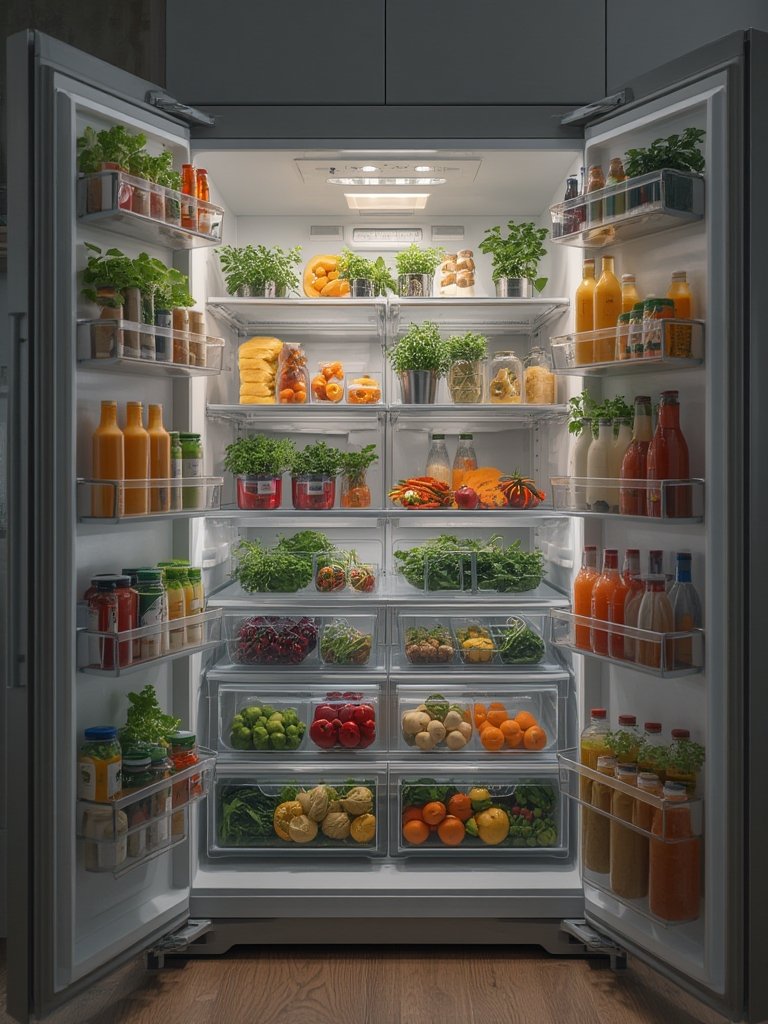
The right approach to fridgescaping 2026 combines the best of eco-aware containers, emerging smart tech, and thoughtful storage planning. Whether you’re investing in air-tight glass jars or testing out QR-labeled bins, balance style with daily routines and budget realities. Regular resets and adjusting to your changing needs will help your fridge system remain both stunning and sustainable. Ready to try fridgescaping 2026 in your own kitchen? Start small and experiment with one change this week for a visible, practical upgrade. Got organizing questions or want product recommendations? Explore more proven strategies at Declutter Hacks.
FAQ
What is fridgescaping 2026?
It’s the art and science of styling your fridge interior using sustainable, smart, and space-efficient products to maximize freshness, visual appeal, and reduce food waste. The approach leverages new container materials and tech tools tailored for modern refrigerators.
Do I need a high-tech fridge to implement fridgescaping?
No. While modern fridges offer more intuitive storage options, basic fridges can be improved with modular bins, glass jars, and smart labels. Focus on organization and container choice first; technology is helpful but not essential.
How often should I reorganize my fridge?
A 5-minute weekly reset is usually enough. Toss expired foods, wipe surfaces, and adjust your arrangement based on current grocery loads. Scheduling resets boosts both hygiene and reduces waste.
What are the downsides to fridgescaping?
Initial cost of premium containers or tech accessories can be high. Some bins may not fit all fridge types, and time investment is required for setup and maintenance. Overcomplicating with too many labels or gadgets can also backfire.
What’s the most budget-friendly fridgescaping tip?
Repurpose glass jars, basic clear bins, and wide labels you already own. Focus buying on just one pain point, like a new produce drawer or a set of stackable containers, instead of a system-wide overhaul.