

Gym clothes organization hacks are essential for anyone tired of digging through messy drawers, mismatched socks, or lost leggings every workout morning. With activewear piling up faster than you can say “burpee,” an organized system isn’t just nice to have – it’s a serious time and sanity saver.
Key Takeaways
- Prioritize visibility and accessibility with smart folding, sorting, and storage tools.
- Regular purges and inventory checks stop gym clothes clutter before it starts.
- Adapt organization hacks to your real closet size, budget, and training frequency.
- Understanding Gym Clothes Organization Hacks
- Step-by-Step Guide: Organizing Your Gym Wardrobe
- Advanced Analysis & Common Pitfalls
- Conclusion
- FAQ
Understanding Gym Clothes Organization Hacks
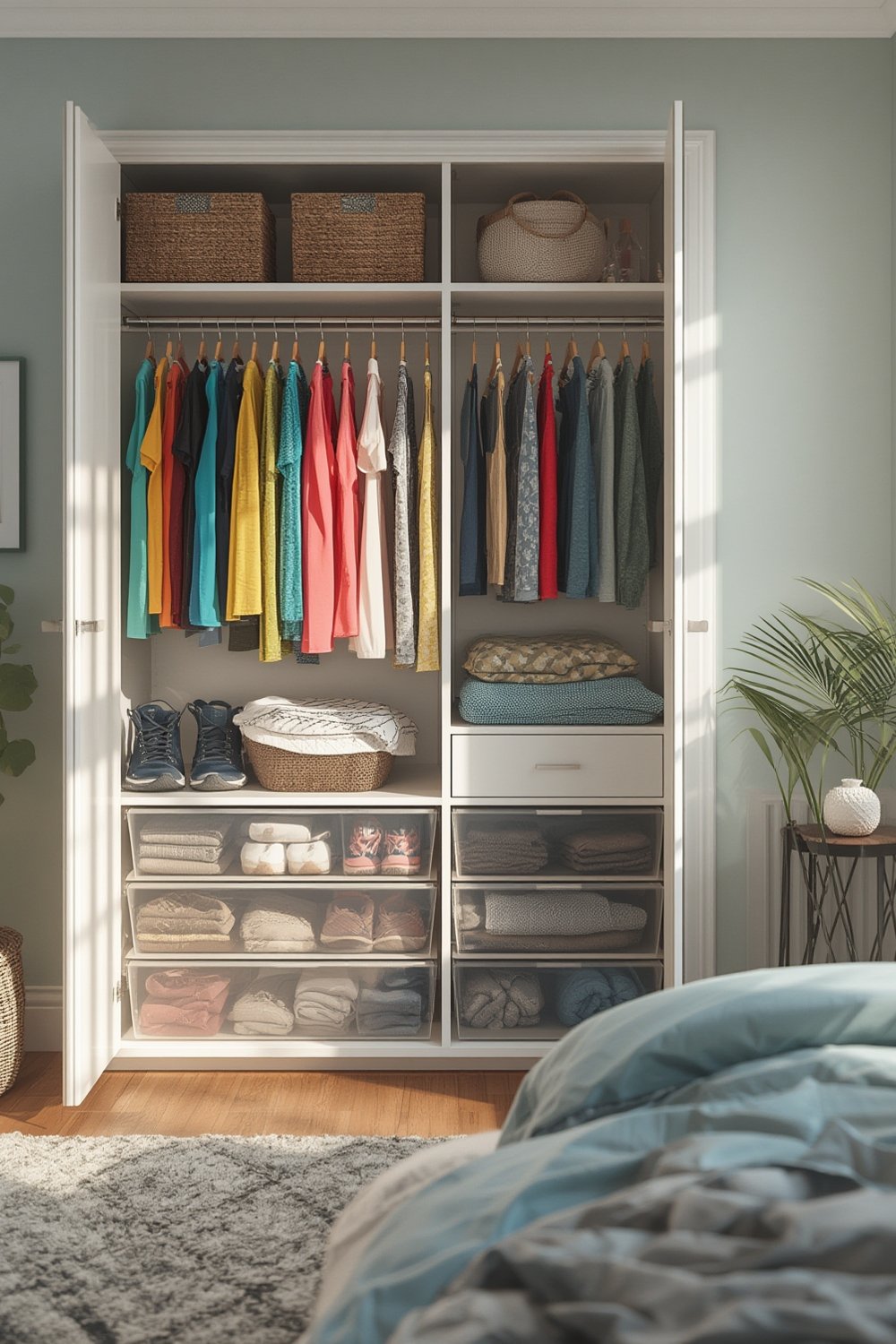
Gym clothes organization hacks simplify the daily routine of finding, wearing, and putting away your activewear. Unlike organizing regular clothing, gym apparel requires frequent washes and dedicated space for items like leggings, sports bras, moisture-wicking tees, and sneakers. Most people accumulate more workout clothes than they realize, leading to packed drawers and forgotten gear.
Studies on wardrobe ownership show that the average person has a growing collection of clothing, often including 10 or more pairs of leggings and a dozen workout tops. As the global sports apparel market continues to boom, storage solutions must evolve to keep up with the trend [source]. Organizing your fitness wardrobe helps maximize the lifespan of your activewear, saves time, and makes post-workout cleanup much easier.
Step-by-Step Guide: Organizing Your Gym Wardrobe
Ready to overhaul your fitness clothing drawers? Here’s a realistic, actionable plan:
- Empty Everything – Clear every gym-related item from your drawers, closets, and laundry bins. Stack it in a visible pile.
- Sort by Category – Separate tops, bottoms, sports bras, socks, headbands, and accessories. This makes inventorying your collection much easier.
- Declutter Ruthlessly – Use the cobwebbing method to let go of leggings with saggy waistbands, long-forgotten crop tops, and any workout gear you genuinely dislike or no longer fits. Donate, recycle, or responsibly dispose of what you won’t wear.
- Establish a Storage Limit – Space is finite. Assign a fixed drawer, basket, or cubby for each gym clothing type. Resist the urge to overflow!
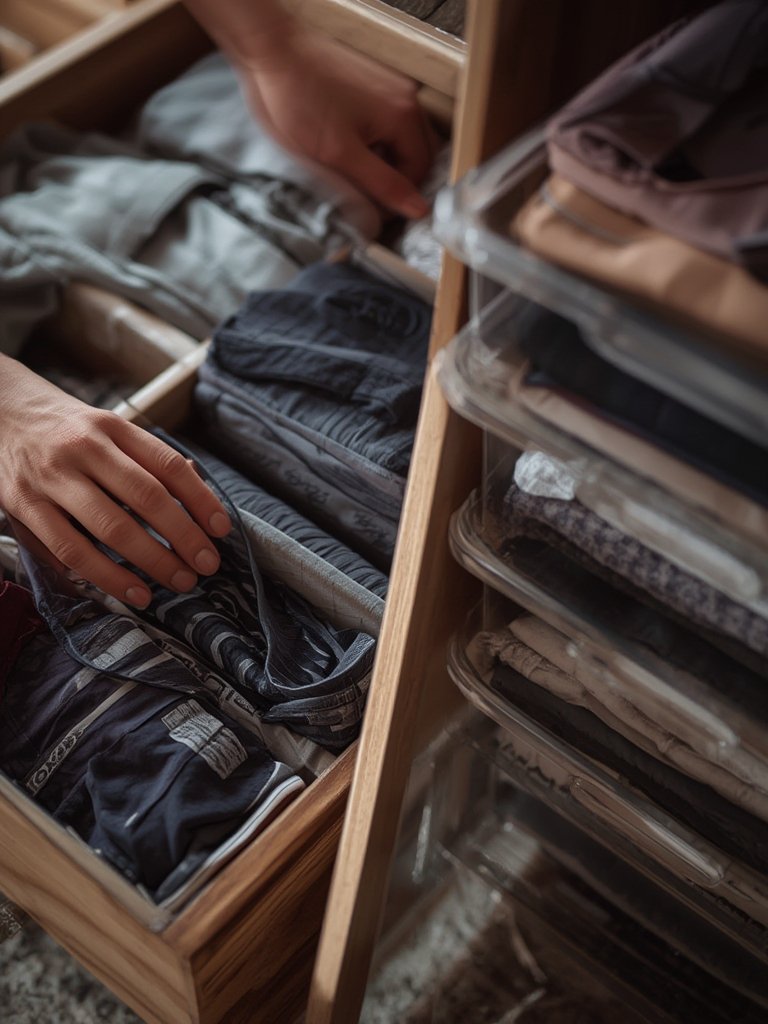
- Invest in Drawer dividers and Storage Solutions – Drawer dividers, clear bins, and under-bed bags like the Budding Joy 90L Storage Bags work wonders for home gym clothing. These help you store off-season items or backup gear efficiently.
- Master Folding for Visibility – Stand leggings and tees upright using the file-folding method. This way, you can see every piece at a glance—no digging required.
- Label Bins and Stacks – If you share a closet or rotate seasonal items, label containers clearly so you never lose a favorite tank.
- Create a Weekly Reset Habit – Use Sunday evenings or post-laundry time to refold, re-sort, and remove anything that’s not working.
Want to future-proof your routine? Explore AI-driven solutions for tailored home organizing advice in How to Use AI as a Personal Home Organizer. And for all-purpose decluttering, Declutter Hacks Reviews: 3 Simple Steps to a Tidy Home can help set the right habits from the start.
Advanced Analysis & Common Pitfalls
Organizing gym clothes is more than folding piles of leggings. Without a system tailored to your home and routine, even the best hacks fall flat. Here are the most common mistakes and challenges:
- Overstuffed Storage: With the activewear industry booming (market data shows rapid growth), it’s easy to accumulate more gym clothing than you’ll ever need.
- One-Size-Fits-All Systems: What works for a single runner in a studio apartment might not fit a family with kids training for sports. Customization is key.
- Ignoring Laundry Flow: Many hacks fail because dirty and clean cycles overlap. Without a “landing zone” for sweaty gear, mess piles up fast.
- Poor-Quality Organizers: Cheap bins or weak drawer dividers often buckle under the weight or snag delicate fabrics.
- No Maintenance Plan: Even perfect organization gets undone fast without a weekly refresh or reset habit.
| Pitfall | What Happens | How to Fix |
|---|---|---|
| Not Assigning Dedicated Space | Gym clothes mix with regular laundry, get lost or wrinkled | Use labeled bins/drawers just for activewear |
| Overcrowding Drawers | Hard to see outfits, items get forgotten | Purge; set a max piece limit for each type |
| Skimping on Quality Storage | Bins break; hangers snag stretchy fabrics | Invest in well-reviewed solutions; check storage bag reviews |
| No Rotation Plan | Old, unworn items take up new space | Use a regular reset like the 5-day clutter shakedown |
Another common oversight is skipping product research. New activewear storage inventions arrive yearly. Consider checking recent sportswear market innovation stats for the latest solutions and reviews before investing in bins or hangers.
Conclusion
With the right gym clothes organization hacks, you can streamline your fitness routine, protect your activewear investment, and drastically cut down on morning chaos. The best system is the one you can maintain, adapts to your wardrobe growth, and fits your unique living space.
Ready to take the next step? Whether you need more smart storage products, a new decluttering philosophy, or want to experiment with minimalist challenges like the no buy year challenge, you’ll find solutions here. Put these actionable tips into play for a clutter-free, motivating gym-wear setup—and keep the focus on crushing your goals, not finding your socks. Try these gym clothes organization hacks this week, and feel the difference!
FAQ
What is the best way to store gym leggings?
The file-folding method lets you stand leggings upright in a drawer for instant visibility. Pair with a sturdy divider or bin for tidy lines and easy access.
How many workout outfits do I really need?
Most people do well with 5 to 7 outfits if you do laundry weekly. Own only enough to cover your true workout frequency and climate needs—avoid overbuying backup pieces unless you travel or train multiple times per day.
Are there special storage products for sweaty gym clothes?
Yes. Mesh laundry bags, breathable hampers, and even odor-blocking pouches prevent mold and keep laundry separate. For under-bed or off-season storage, try extra-large, zippered bags with some ventilation.
How can I keep my gym clothes organized long-term?
Set a recurring reminder—weekly or monthly—to declutter, rotate, and refold your activewear. Make sure you never let new pieces accumulate without removing old, unworn items.
Does organizing gym clothes really save time?
Absolutely. With an organized system, you spend far less time searching for outfits, matching socks, or rewashing lost pieces. That clarity means easier, stress-free workouts.