

Kids clothing rotation can quickly turn into a never-ending struggle for parents. Managing ever-changing sizes, constant laundry, and seasonal changes makes it tough to keep children’s wardrobes streamlined and clutter-free. If you find yourself buried under outgrown shirts and socks, you are not alone.
Key Takeaways
- Rotating kids’ clothing regularly is essential to prevent clutter, keep wardrobes functional, and make hand-me-downs or resale a breeze.
- Parents often underestimate the time and organization required unless they adopt systems for easy sorting, storage, and decision-making.
- Sustainable practices and minimalism can save money, reduce waste, and support a tidier home environment.
- The Core Concept: What is Kids Clothing Rotation?
- Step-by-Step Guide: How to Rotate Kids’ Clothing Efficiently
- Advanced Analysis & Common Pitfalls
- Conclusion
- FAQ
The Core Concept: What is Kids Clothing Rotation?
Kids clothing rotation is the ongoing process of sorting, removing, and refreshing your child’s wardrobe in line with their growth and changing seasons. It is not just about swapping summer t-shirts for winter sweaters. Instead, it involves a system for quickly identifying outgrown or unworn items, making room for new essentials, and preventing clutter from accumulating.
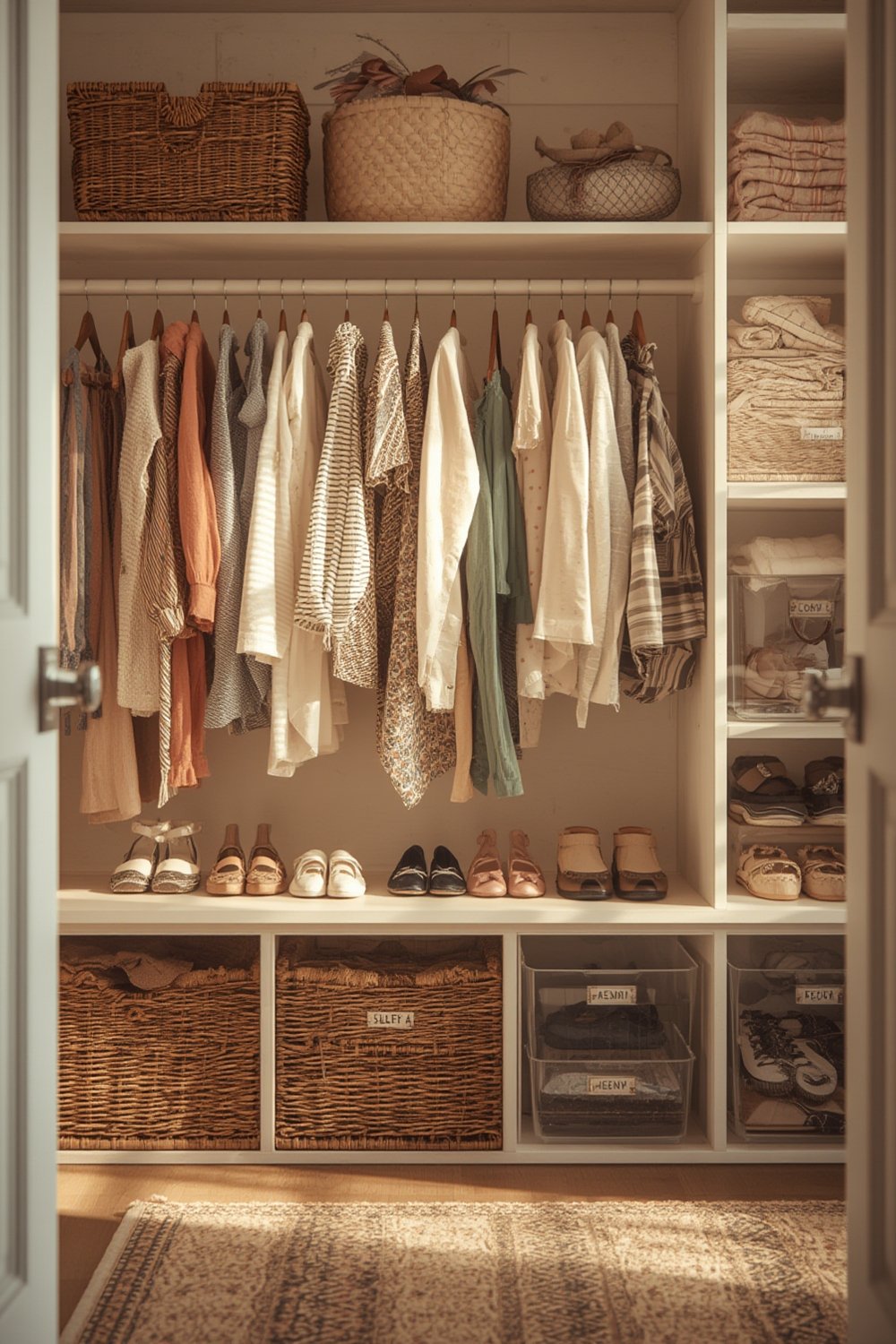
Why is it so important? Children outgrow clothes at lightning speed. Failing to rotate their clothing leads to overflowing drawers, missing essentials, and money wasted on accidental double purchases. Additionally, outgrown clothes that linger in closets are less likely to be sold or donated while they still hold value, adding to overall textile waste. Recent data shows the U.S. kids’ resale market has ballooned from $7B in 2021 and is projected to hit $12.8B by 2030, driven by a need for affordability and sustainability (Firebird Kids).
Living in a small space or struggling with laundry bottlenecks? Thoughtful clothing rotation not only minimizes stress but allows you to take advantage of wardrobe hacks like capsule wardrobes. For a similar approach for adults, see this guide to capsule wardrobes.
Step-by-Step Guide: How to Rotate Kids’ Clothing Efficiently
Ready to regain control of your child’s clothing situation? Follow this practical pathway for sustainable, stress-free kids clothing rotation.
- Gather and Sort Everything
Remove all clothing from your child’s drawers, closet, and laundry. This forces you to confront every item – no more hiding outgrown clothes at the bottom of the pile. - Separate by Size, Season, and Condition
Quickly create piles for current size, next-size-up, outgrown, off-season (like heavy coats in summer), and damaged beyond repair. For a no-pile method, try adapting the 5-day clutter shakedown for clothing. - Decide What Stays (and What Goes)
Keep only what fits now or will fit in the next season. Be realistic – if your child hates certain fabrics or refuses specific styles, do not keep them. Place unneeded items immediately in donation or resale bags. For sentimental pieces, consider the cobwebbing method to ease emotional attachment. - Prep and Store Next-Size and Off-Season Items
Use clear bins or labeled storage bags. Try budget-friendly options like large zip-top bags or space-saving 90L storage bags. Store them under the bed, on high closet shelves, or in a dedicated bin. - Organize Current Wardrobe for Easy Access
Fold or hang by category: tops, bottoms, pajamas, outerwear. Use drawer dividers or simple baskets, especially for shared or small spaces. - Discard, Donate, or Resell Immediately
Take action the same day. Drop donations at a local charity or schedule a resale listing to prevent bags from lingering. The U.S. kids’ resale market is now growing five times faster than regular retail (Firebird Kids). - Set a Calendar Alert for the Next Review
Revisit the wardrobe every 3-4 months, or after a sudden growth spurt.
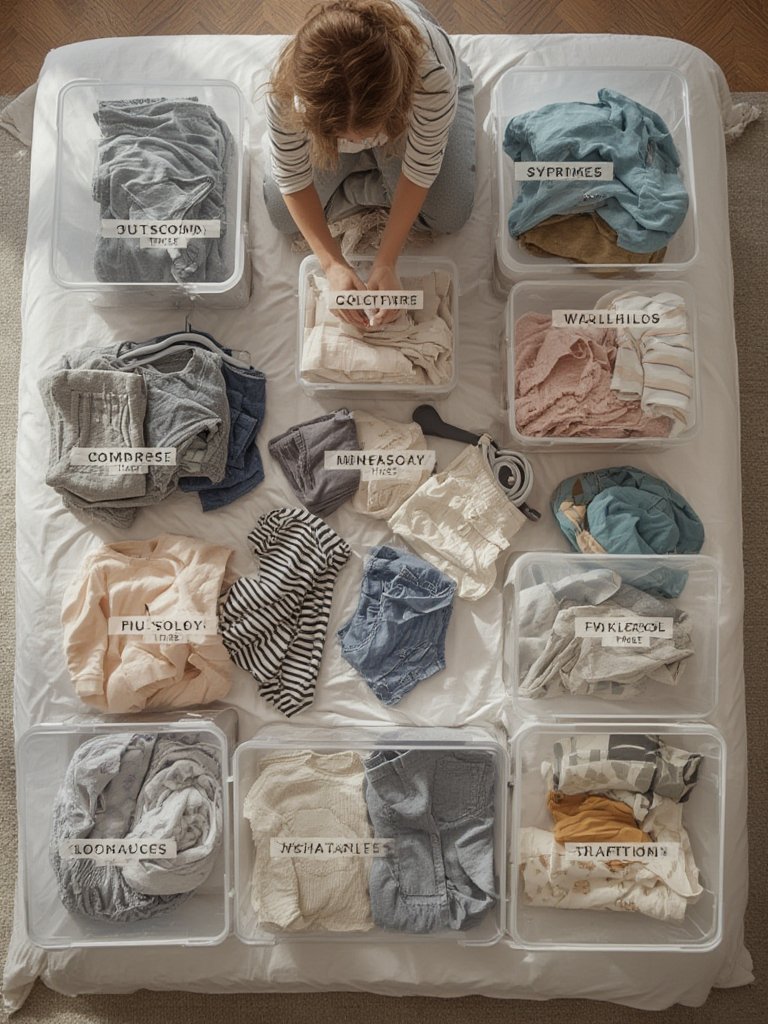
For ongoing maintenance, some parents swear by quick bursts using the 10-minute declutter challenge – a great way to stay ahead when life is busy.
Advanced Analysis & Common Pitfalls
Even with a clear plan, families run into familiar roadblocks. Here are the top issues – and the honest truth about what to expect:
| Pitfall | Impact | How To Solve |
|---|---|---|
| Procrastination or Lack of Time | Clothes pile up, outgrown items stay mixed in, causing frustration and inefficiency. | Break it into short, manageable sessions; try quick daily resets using the 10-minute declutter challenge. |
| Emotional Attachment to Clothes | Sentimental pieces accumulate and overwhelm storage space. | Digitize keepsakes or limit to one box per child. See the cobwebbing method for letting go without guilt. |
| Storage Limitations | Too many size-up or off-season items crowd drawers and closets. | Switch to compact bins or under-bed storage; consider swap or resale to keep inventory lean. Check out the capsule wardrobe approach. |
| Overbuying or Accidental Duplicates | Leads to wasted money and more clutter. | Inventory after each rotation. Use the one in, one out rule to prevent buildup. |
| Failing to Act on Outgrown Clothing | Clothes no longer fit but clog up the space for months. | Donate or resell immediately. The kids’ resale market is expanding rapidly (see latest growth rates). |
Minimalist families, those trying the no buy year challenge, or parents looking to boost sustainability will notice that purchasing fewer, quality pieces – especially in organic cotton or expandable sizing – means less frequent and less stressful rotation. Industry sources confirm that most parents now value comfort and sustainable options, with 63% choosing comfortable fabrics and resale markets projected to continue aggressive growth (Fibre2Fashion).

Finally, managing textile waste is more important than ever. Removing clothes while they still have resale or donation value helps mitigate environmental impact, especially as online resale grew 23% year-on-year in 2024 (see report).
Conclusion
Kids clothing rotation might seem overwhelming, but a simple, scheduled approach keeps it manageable—and even rewarding. Prioritize regular reviews, immediate action on outgrown items, and storage methods that fit your space. Adopting sustainable habits benefits your budget, your sanity, and the environment. With the right system in place, kids clothing rotation stops being a headache and starts to work for you—protecting your space, your wallet, and the planet.
Ready to streamline all your home organization? Try extending these principles to other problem zones using systems like the 5-day shakedown or get inspired by our tidy home action plan.
FAQ
How often should I do a full kids clothing rotation?
Every 3 to 4 months, or at the start of a new season. After a sudden growth spurt, check again for fit.
What storage solutions work best for size-up or off-season clothes?
Clear plastic bins, space-saving 90L storage bags, or simple labeled totes that fit under beds or on top shelves work well and allow you to quickly find what you need.
What’s the fastest way to deal with emotional attachment to kids’ clothes?
Limit yourself to a single keepsake box per child or digitize the most precious items. Explore the cobwebbing method for a step-by-step strategy on letting go of sentimental items.
How can I make money by removing outgrown children’s clothing?
Resale is now mainstream, growing up to five times faster than traditional retail. List items on trusted platforms soon after your child outgrows them to maximize value. See the latest statistics here.
What if my home is tiny or lacks closet storage?
Reduce clothing quantity by embracing a capsule wardrobe, invest in slim storage bags, or use vertical stacking solutions. Check out organization hacks for small spaces here.