

Kids toy rotation system is one of the most effective methods to reduce clutter, cut stress, and keep children genuinely engaged in their playroom. Today, families are overwhelmed with toys, but few know how to set up and maintain a system that’s simple, sustainable, and actually works in real life. Here’s how you can make toy chaos a thing of the past—without feeling like you need to master minimalism or spark daily tantrums.
Key Takeaways
- A kids toy rotation system uses fewer, carefully-chosen toys to spark deeper, more creative play—while cutting frustration for both parents and children.
- Common pitfalls include emotional attachment, extended family gifting overload, and struggling to keep up with toy inflow versus what leaves.
- Consistency and clear ground rules make success more likely. Even imperfect rotation beats constant playroom overwhelm.
- The Core Concept: What Is a Kids Toy Rotation System and Why Use One?
- Step-by-Step Guide: How to Set Up a Kids Toy Rotation System
- Advanced Analysis & Common Pitfalls
- Conclusion
- FAQ
The Core Concept: What Is a Kids Toy Rotation System and Why Use One?
A kids toy rotation system organizes toys so children only see a limited, thoughtfully-chosen selection at any one time. The rest are stored out of sight, then rotated in every couple of weeks or monthly. Parents in the US own a staggering 40 percent of the world’s toys, and kids typically get over 70 new toys each year, contributing to messy playrooms, parent frustration, and over-stimulation. Too many toys have even been shown to reduce creativity and focus, increase sibling arguments, and spark boredom complaints.
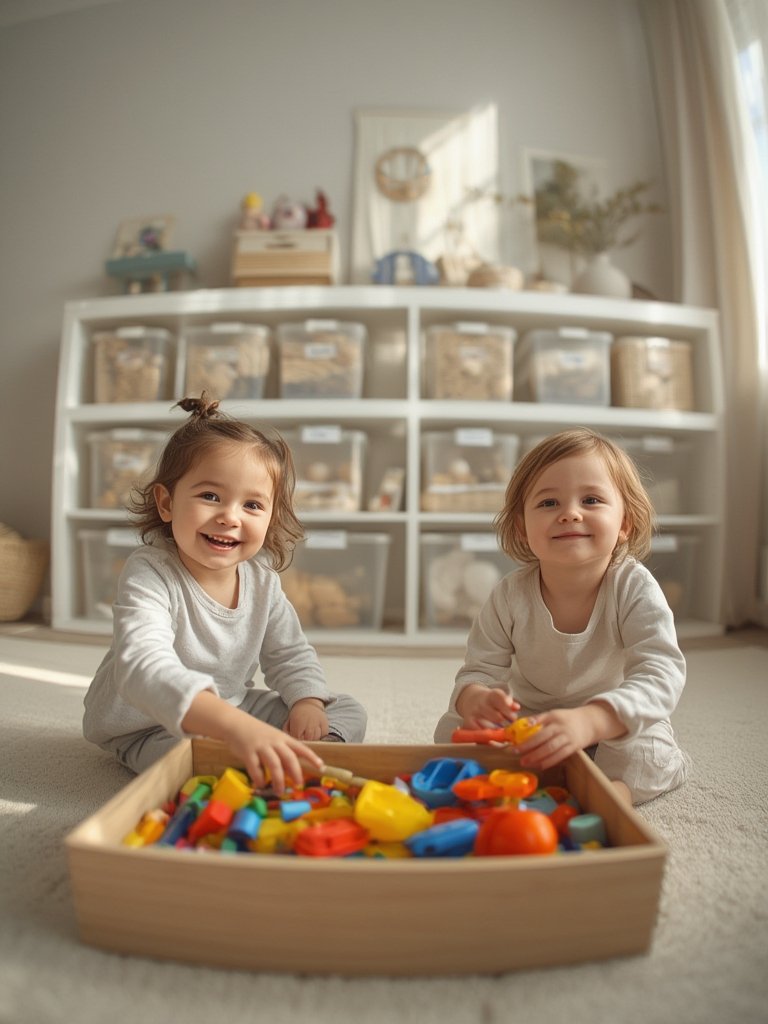
Instead, toy rotation supports meaningful, deep play and helps families regain control of their spaces. Children actually play more creatively, fight less, and enjoy their rooms when there’s less to sort through. Rotation also makes cleaning up faster, so the whole family experiences less stress.
Step-by-Step Guide: How to Set Up a Kids Toy Rotation System
Transitioning to a toy rotation system isn’t about depriving your children or keeping their playroom magazine-perfect—it’s about making the most of what you have, saving your sanity, and helping your kids thrive. Here’s a detailed, realistic approach to get started and keep momentum (without burnout):
- Start with a Clean Slate. Gather all toys from the house into one spot. This can feel overwhelming, but it’s the core of the chaos decluttering method. If possible, have kids out of the house—you’ll get rid of more with less drama.
- Sort and Purge. Create fast “keep,” “donate,” and “trash” zones. Discard broken or duplicate items and donate toys nobody has touched in months. The guilt clutter guide has tips for letting go of gifts or sentimental toys without the shame spiral.
- Create Rotation Sets. Divide remaining toys into 3–4 distinct groups (e.g., one set per month if rotating monthly). Aim for a balance: puzzles, building toys, pretend play, art, and a few favorites in each group.
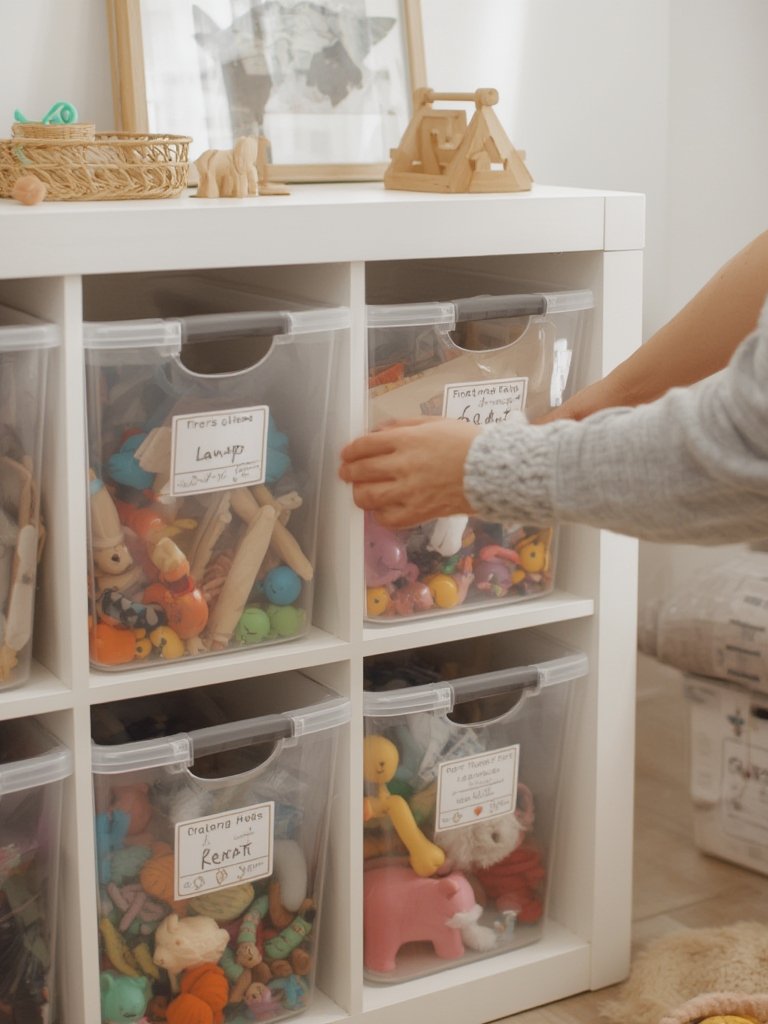
- Store Unused Sets Out of Sight. Use clear bins, space-saving 90L storage bags, or even extra suitcases. Label clearly so swapping is quick. Consider large under-bed bags to save closet space.
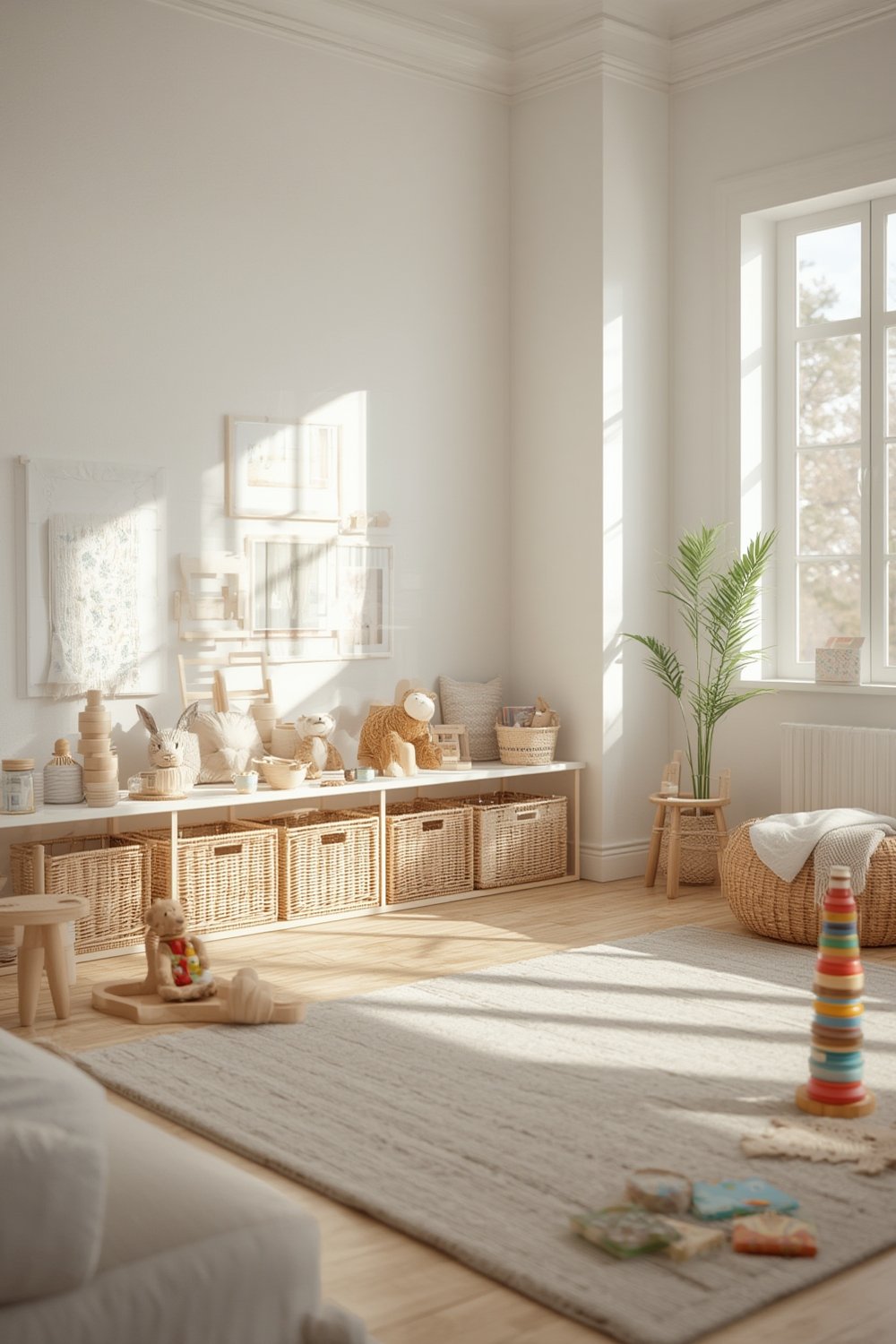
- Present the First Set Attractively. Display current toys on open shelves or baskets—no overfilling. Kids are likelier to play deeply when options aren’t overwhelming.
- Set a Rotation Schedule. Mark rotation days on your calendar (every two weeks or monthly). If your family struggles with consistency, tie rotation to a routine—like after a holiday or birthday. Involve children in swapping toys to boost excitement and acceptance.
- For digital organization, consider tools like AI-powered home organizers to track what’s stored and set reminders for rotation dates.
Advanced Analysis & Common Pitfalls
Even a well-planned kids toy rotation system can go off track. Here are the most common problems—and exactly how to troubleshoot them:
| Pitfall | Why It Happens | Realistic Solutions |
|---|---|---|
| Too Many New Toys Appear | Holidays, birthdays, and constant gifts from relatives quickly add to the stash. | Try the one in, one out rule. Let extended family know your preferences, and consider sharing a wish list or donation suggestions. |
| Family Resistance or Attachment | Parents feel guilty or sentimental; kids may protest purging unwanted toys. | Declutter mostly without kids present (to skip “but that’s my favorite” protests). The cobwebbing method can help tackle emotional blocks. |
| Lack of Time to Maintain | Work and family life make regular rotation hard to prioritize. | Reduce pressure by rotating less often (monthly is fine) or use a mini version of the 10-minute declutter challenge to handle just a bin or two. |
| Unclear Boundaries | Toys migrate out of sets or get mixed back in, creating new mess fast. | Label rotation sets, make cleanup part of the daily routine, and encourage kids to help. Resetting toys nightly or weekly helps everyone keep track. |
| Multi-Age Sibling Zone Conflicts | Preschoolers and older kids need different playthings; sharing is tough. | Make separate bins for age-specific favorites, but keep a few versatile “family” toys in every set. Consider a sibling negotiation session during swaps. |
Studies suggest that while no system eliminates all problems, families who stick with a realistic toy rotation system see lasting improvements in clutter, fewer sibling conflicts, and much better play—compared to homes where all the toys are always out and available.
Donation-ready storage solutions can be as simple as using sturdy bags or bins for toy donations, and joining “Buy Nothing” community groups to regularly offload unused items. No single product is perfect—what matters is a process you’ll actually follow. Using clear, labeled bags or large organizers (like these 90L storage bags) makes both storing and donating seamless.
For households struggling with the pace of toy inflow and emotional struggles of letting go, a full playroom reset or using the 3 simple steps to tidy home method can help restore order before starting your first rotation.
Conclusion
A structured kids toy rotation system is not about perfection—it’s about finding better balance. Families that rotate toys consistently report less mess, more relaxed days, and children who actually play and create rather than constantly casting toys aside. Start small, set realistic goals, and use tools like labeled bags or a family calendar to simplify maintenance. The results—less stress, more peaceful play, and a home that feels organized—are well worth it. Update your routine today, and let your kids toy rotation system help transform the whole family’s relationship with play and clutter.
Ready to cut toy chaos and help your children thrive? Start your first rotation today and enjoy a calmer, happier home—one bin at a time.
FAQ
How many toys should I leave out at a time in a kids toy rotation system?
Most families find 8-15 toys per set is enough for variety without overwhelm. Prioritize a mix—puzzles, blocks, pretend play—and adjust based on your children’s interests and space.
How often should I rotate toys?
Every two weeks or monthly works for most. Tie rotation to a regular event (e.g., the first Sunday of the month or after a holiday) to stay consistent.
What if family members keep bringing new toys?
Communicate your rotation plan and the “one in, one out rule.” Suggest experiential gifts or contributions to toy libraries. If gifts keep coming, donate or store extras out of sight and rotate them in over time.
Should I involve my kids in decluttering and choosing rotation sets?
For young children, it’s best to do the first big sort without them to avoid resistance. Involve them in swapping sets and choosing a “special favorite” to always keep out as they get used to the routine.
Does a toy rotation system really benefit child development?
Yes. Research and expert consensus show children are less overwhelmed, more creative, and engage in deeper play when there are fewer toys. The Toy Association confirms that thoughtful play supports learning and emotional regulation.