

### Blog Post:
Medication safety purge is one of the most overlooked—but crucial—steps to prevent accidental poisonings, protect your family, and keep your home organized. Expired, unused, or improperly stored medicines can lead to emergencies, environmental harm, and unnecessary clutter in your cabinets. This guide lays out exactly how to tackle a pharmaceutical declutter safely, with concrete steps, real-world pitfalls, and expert-backed tips.
Key Takeaways
- Expired and poorly stored medications are a leading cause of accidental poisonings—especially for children and older adults.
- Safe disposal and proper organization of your medicine cabinet helps prevent health risks and keeps your household clutter-free.
- Most people under-estimate the hidden dangers and often face real-life challenges purging pharmaceuticals—practical solutions exist, and this guide covers them all.
- What Is a Medication Safety Purge and Why Does It Matter?
- Step-by-Step Guide: How to Do a Medication Safety Purge
- Advanced Analysis & Common Pitfalls
- Conclusion
- FAQ
What Is a Medication Safety Purge and Why Does It Matter?
A medication safety purge is a structured, intentional process to clear out expired, unneeded, or unsafe medicines from your home and ensure anything remaining is properly organized and stored. While many households focus on decluttering closets and pantries, the medicine cabinet is an often neglected source of both danger and disorder.

According to recent pediatric poisoning data, nearly 69% of accidental poisonings in children occurred at home, with medications a significant culprit. In 2024 alone, 2.1 million human poison exposures were managed by US poison centers—analgesics and dietary supplements ranking among the most frequent substances involved (source).
But it’s not just a health risk—expired pharmaceuticals can leak into the environment if disposed of incorrectly, harming water and wildlife. Plus, overcrowded or disorganized cabinets make it harder to find what you actually need in an emergency, increasing the chance of medication mix-ups or missing critical doses.
If you’re serious about home safety, health, and organization, making a medication safety purge part of your routine is non-negotiable. Integrating this process into your broader organization habits keeps your space tidy and your loved ones safe. For kitchen storage, check out our airtight glass food storage jars guide—combining medicine and food safety for a clutter-free life.
Step-by-Step Guide: How to Do a Medication Safety Purge
Below is a realistic action plan to complete a safe, effective medication cabinet cleanout.
-
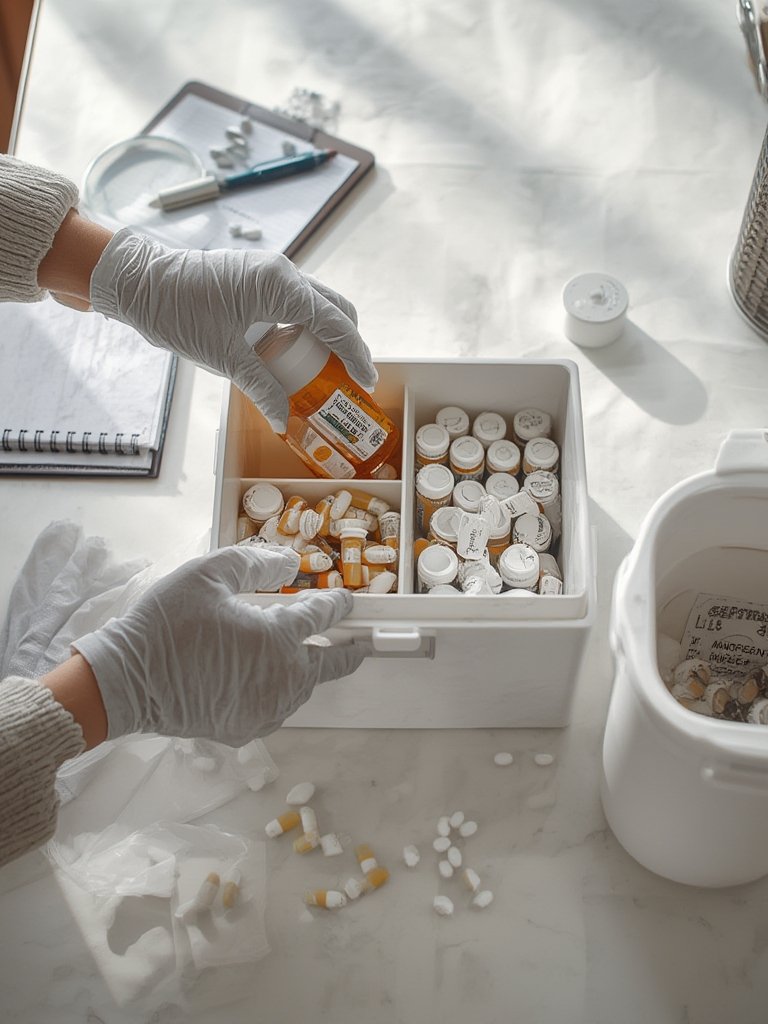
Empty Your Medicine Cabinets and Drawers:
- Lay everything out on a clean surface. If this feels overwhelming, try the drawer dumping method—take out all contents without sorting yet for fast progress.
-
Check Dates and Condition:
- Look for expiration dates—discard anything expired or discolored. Don’t forget to check liquids and creams which often go bad earlier.
- Inspect packaging for damage—cracked lids, missing child-proof features, faded labels, or leaks mean it’s time to toss.
-
Separate What You Actually Use:
- Group medications by family member and by type (prescriptions, over-the-counter, supplements).
- Toss anything you no longer need, such as leftover antibiotics or prescriptions for a past illness. It’s tempting to hang onto “just in case” meds, but this increases risk.
-
Prepare for Safe Disposal:
- Do not flush medications unless the label specifically instructs you to for safety. Flushing can harm your community’s water supply.
- Utilize authorized drug take-back programs or mail-back envelopes. Pharmacies often provide these for free, but availability varies—see the comparison below.
- Mix any leftover pills (if no take-back option is available) with an undesirable substance (like used coffee grounds or cat litter) in a sealed bag before putting in the trash—but check local regulations first.
- Remove all personal information from pill bottles before disposal to protect your privacy.
-
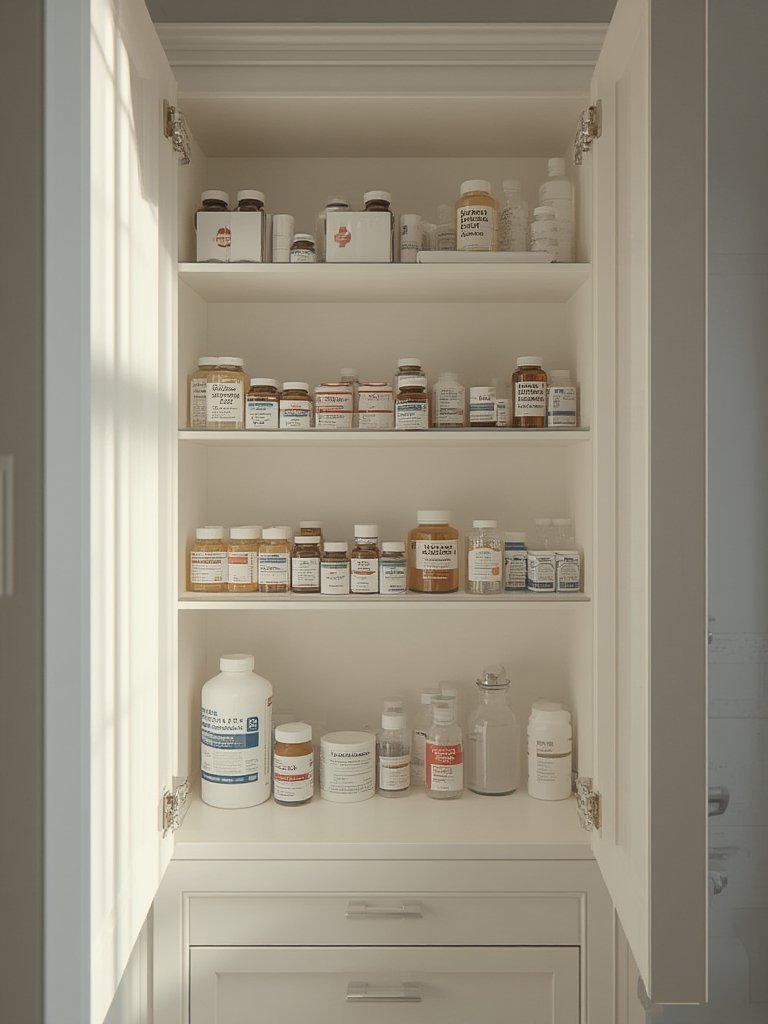
Organize What Remains with Safety in Mind:
- Use vertical stacking bins, labeled boxes, or airtight glass jars (for supplements and non-prescription items only).
- Keep all medicines in a cool, dry spot—never in steamy bathrooms or over the stove.
- Store medications up high and locked box if you have children, pets, or at-risk adults at home.
-
Set a Recurring Reminder:
- Use AI home organization apps to schedule medication reviews. Our AI home organizer guide shows how to automate reminders for decluttering (and medication safety) using free or low-cost tools.
Done right, a medication safety purge not only reduces risk but can free up valuable cabinet space. For deeper decluttering, explore the three-step tidy home system or try the trending chaos decluttering method for areas beyond your bathroom or kitchen.
Advanced Analysis & Common Pitfalls
Even the best-intentioned medication safety purge can get derailed by overlooked risks, lack of disposal options, or good old-fashioned overwhelm. Here’s what most people miss—and how to avoid the biggest pitfalls:
- Disposal Dilemmas: Not all areas have easy access to drug drop-off sites or free mail-back programs. Some pharmacies participate only seasonally, or may charge fees for certain items.
- Environmental Hazards: Flushing or throwing meds in the trash (without a barrier) contaminates water and landfill. Poison control centers still field calls about this every year.
- Sentimental Attachment: Keeping medications as a “security blanket,” even after switching prescriptions, is risky. Fears about “wasting money” or “needing it later” often outweigh logical decisions.
- Improper Storage Returns: After a purge, failing to update labels, keep things containerized, or store out of reach invites repeat chaos.
- Information Overwhelm: Seniors and caregivers may be unsure which medicines are safe to purge, or require help to carry out the steps. If this is you, consider using the 5-day clutter shakedown—it breaks down decluttering into manageable, daily tasks.
| Disposal Method | Environmental Impact | Availability | Cost |
|---|---|---|---|
| Local Pharmacy Drop-off | Low | Moderate to High (varies by location) | Usually Free |
| Mail-back Program | Low | Moderate | Often Free, Some Paid |
| Flushing/Trash | High (contaminates water/landfill) | Universal, Not Recommended | Free (but risk outweighs savings) |
For more on organizing sentimental or difficult-to-purge items after your medicine cabinet, learn about the psychological cobwebbing decluttering method.
Conclusion
Investing 30 minutes in a medication safety purge could save a life, protect the environment, and declutter your space for good. The risk of accidental poisoning, especially among kids and elderly family members, is real. Regularly reviewing, purging, and organizing your medications is a simple act with serious benefits. Ready to take charge? Start your medication safety purge this week and set a reminder for your next cleanout now.
Want more actionable declutter strategies? Browse our 3-step tidy home guide or the 10-minute declutter challenge for easy daily momentum.
Frequently Asked Questions
Can expired medications really be dangerous?
Yes. Expired medications may be less effective, but some can change chemically over time and cause harmful effects. There is also a higher risk of accidental overdose or poisoning if others mistake them for current prescriptions.
How do I safely dispose of old medicines if there is no take-back program near me?
If you can’t access a local drop-off or mail-back program, mix pills with coffee grounds or cat litter in a sealed bag before putting them in the trash. Never flush medications unless the label or official government websites say it’s safe.
Why should I avoid storing medicine in the bathroom?
Humidity and temperature swings in bathrooms can degrade medications faster, making them less effective and more prone to contamination. A cool, dry spot—like a hall closet kept out of children’s reach—is safer.
How often should I do a medication safety purge?
Ideally, review your medicines every six months, or at least yearly. Schedule with life changes—new babies, aging parents moving in, or after recovering from illness.
Can I declutter my kids’ medicines using the same process?
Absolutely. Just be extra careful to keep children’s medicines separated, never combine them with adult medications, and use a locked box if you have very young children at home.
—