

### Blog Post:
Pantry declutter challenge is not just another trendy buzzword—it’s your most effective weapon against wasted food, cluttered cabinets, and those shocking grocery receipts. Most people don’t realize how much money, time, and space quietly disappear inside their own pantries until they try this challenge. If you’ve ever opened a cabinet only to find three open bags of rice, expired cans, or half-used snacks lost at the back, you’re not alone. Here’s how to tackle this problem head on—with strategies that actually work and pitfalls to avoid.
Key Takeaways
- Most food waste at home happens because items expire unnoticed or get forgotten—addressing this with a pantry declutter challenge saves money and cuts waste dramatically.
- Clarity and visibility are your best friends: smart storage, regular purges, and realistic buying habits prevent future chaos.
- Tackling your pantry doesn’t have to be overwhelming—break it down, take action, and finish stronger than you started.
- What Is a Pantry Declutter Challenge? (And Why You Need One)
- How to Launch Your Pantry Declutter Challenge: Step-by-Step Guide
- Advanced Analysis & Common Pitfalls: How to Make Your Results Stick
- Conclusion
- FAQ
What Is a Pantry Declutter Challenge? (And Why You Need One)
At its core, a pantry declutter challenge is a focused effort to clear out expired, unused, or duplicate items, optimize storage, and create habits so your kitchen stays organized and resources aren’t wasted. Why bother? The average U.S. household wastes 31.9% of food purchased each year, with much of it spoiling unused or expiring at the back of a cabinet. [source] The UNEP Food Waste Index reported in 2024 that 60% of food wasted globally is from households—proving this isn’t a minor issue. Organizing your pantry is one of the most practical ways to take back control, save money, and reduce your home’s waste footprint.
How to Launch Your Pantry Declutter Challenge: Step-by-Step Guide
Ready to start? This guide breaks the challenge into clear, manageable moves that work for any pantry size or household style.
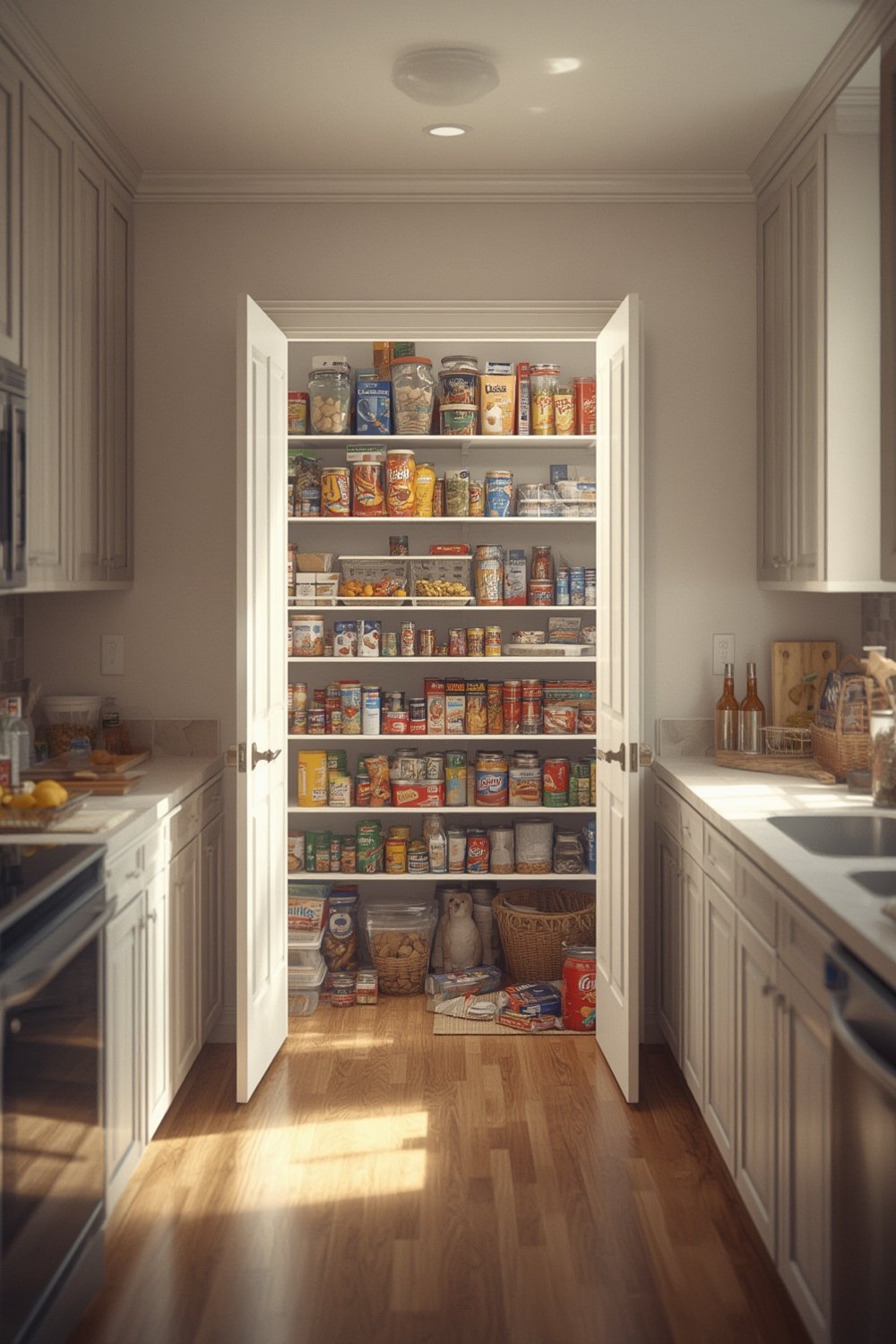
- Empty Everything Out
Start by removing all items—yes, all of them—from your pantry shelves and storage containers. This instantly reveals forgotten foods and hidden expired items. - Group and Sort
Organize items by category (e.g., canned goods, grains, baking supplies, snacks). Discard anything expired, stale, or damaged. Not sure about keeping something? If you haven’t used it in the last year, it probably isn’t needed. - Assess Storage Solutions
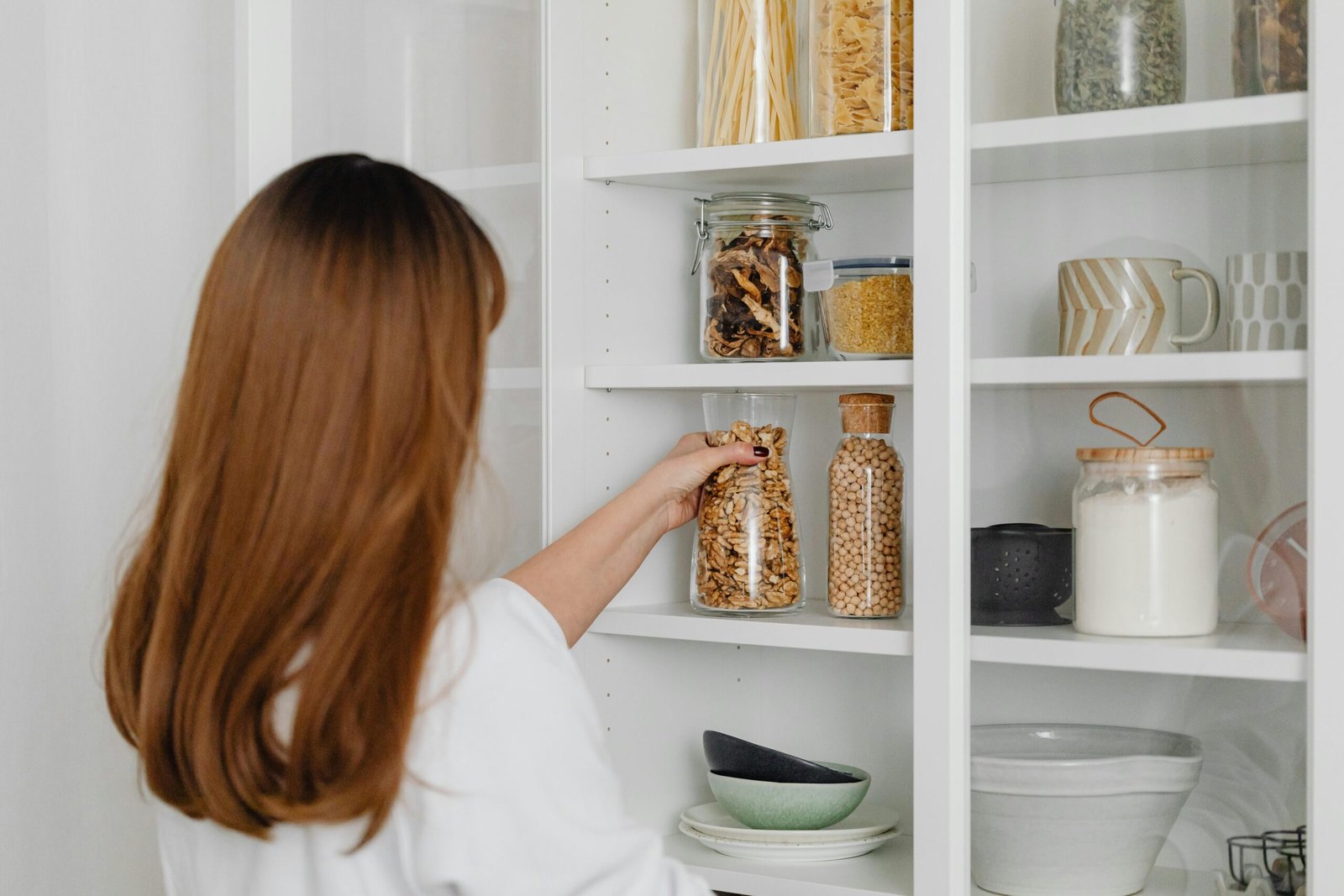
Check: are you using the best storage for each item? Transparent, airtight containers (like airtight glass food storage jars) help keep items visible and fresh. - Re-load with Intention
Place soonest-to-expire foods up front and arrange by category so you always see what’s available. Use a first-in, first-out (FIFO) system: newer items go behind older ones. - Set a Maintenance Reminder
Mark your calendar to repeat a mini-declutter in one month. Regular checks mean fewer forgotten foods and less waste.
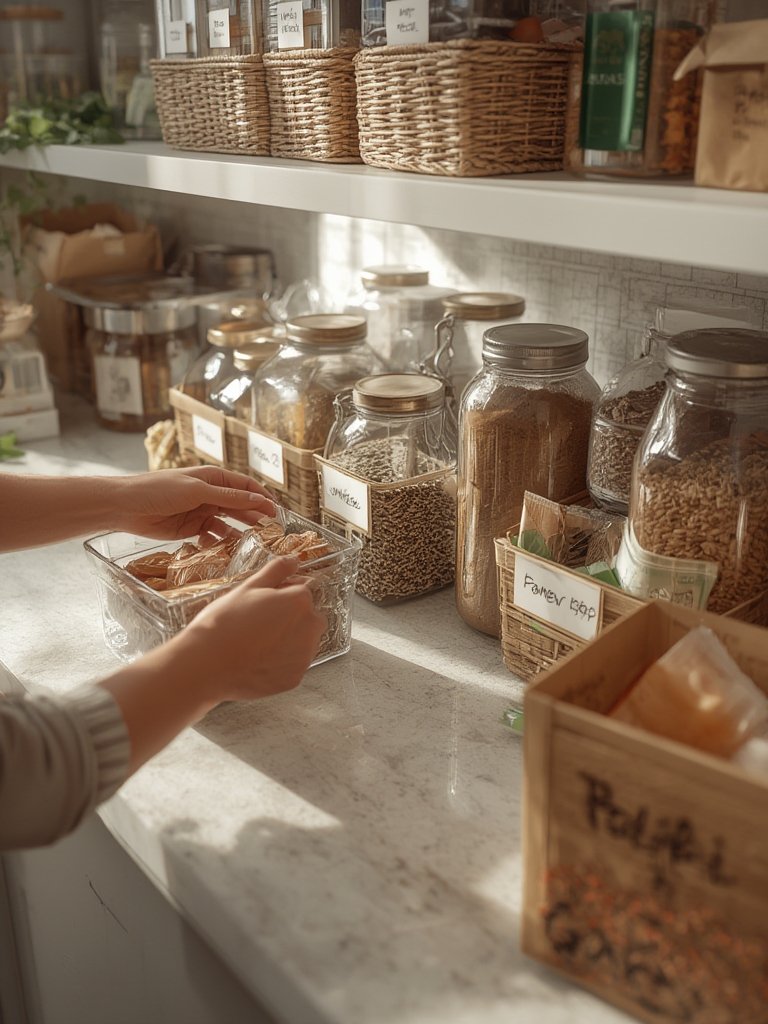
- For further efficiency, use the drawer dumping method for smaller pantry drawers or baskets. Dump it all, sort rapidly, and put only what you really use back in.
- If you’re overwhelmed by the idea of a marathon decluttering session, consider the 10-minute declutter challenge—make pantry progress in micro-bursts!
Advanced Analysis & Common Pitfalls: How to Make Your Results Stick
Why do most pantries return to chaos within months? It’s rarely a lack of motivation, but some overlooked obstacles and recurring traps:
- Expiration Date Confusion: “Sell by” isn’t “use by”—these dates are often misunderstood. About two-thirds of waste happens because food isn’t used in time or is tossed due to over-cautious expiry fears. [see more]
- Overbuying on Sale: Bulk deals seem cost-effective but lead to expired surplus if you don’t actually use them.
- Hidden/Obscured Items: Deep cabinets swallow small jars. Without pull-out bins or see-through containers, items vanish and spoil.
- Lack of Consistent Upkeep: Most people only declutter once a year. Weekly mini-purges are more effective.
- Sentimental or Guilt Items: Feeling obligated to keep exotic spices, “just-in-case” meal kits, or food gifts creates clutter and waste. Try the cobwebbing method to cut emotional ties.
| Common Pitfall | Why It Happens | Preventive Action |
|---|---|---|
| Expired Goods Pile Up | Items are hidden or expiration dates are confusing | Schedule quarterly “expiries check” and rotate items forward |
| Waste from Duplicates | Lack of inventory, forgetting what’s on hand | Log pantry items or keep a visible list |
| Out-of-Control Snacking or Buying Excess | Poor shelf visibility and overbuying when hungry or unplanned | Organize snacks in clear bins; always shop with a pantry photo |
Realistically, don’t expect a single purge to fix everything for good. The real win is creating a cycle: declutter, organize, review, and repeat. Interested in tackling whole-home clutter? Try these proven declutter hacks that work beyond the kitchen.

Conclusion
The pantry declutter challenge is more than tidying up—it’s about reclaiming money, kitchen space, and peace of mind. Most households are shocked by how much they save and how little they actually need when everything is visible and intentional. Ready to try it? Start your challenge today, then share your results and inspire others to break the cycle of food waste and clutter for good.
FAQ
How often should I do a pantry declutter challenge?
Ideally every three to four months. Some people do smaller mini-purges monthly, especially before grocery shopping or at the start of each season.
What should I do with food that’s close to expiring?
Move expiring items to the front or a separate “use first” bin. Meal plan using those ingredients, or share with friends or neighbors if you know you won’t use them in time.
Can airtight containers really reduce food waste?
Yes. Airtight glass food storage jars keep food visible and fresh longer, which significantly reduces spoilage compared to open or opaque packaging.
How do I handle “guilt clutter” in my pantry?
Use the cobwebbing method to overcome guilt connected to unused foods or gifts—remind yourself that space and usefulness trumps obligation.
What if I have zero time? Any shortcuts?
Try the 10-minute declutter challenge for your pantry. Set a timer, tackle one shelf, and repeat whenever possible.
—