

### Blog Post:
Swedish death cleaning is a practical method to declutter your home and organize your possessions so your loved ones are not overwhelmed after you’re gone. This Scandinavian tradition focuses on making thoughtful decisions about your belongings and your legacy—no matter your age or where you live. If you’re looking to declutter with a long-term, meaningful approach, this guide breaks down what you need to know, step by step.
Key Takeaways
- Swedish death cleaning, or döstädning, is about responsibly managing your belongings to ease the burden on heirs and promote intentional living.
- The process is deeply personal, acknowledges mortality, and involves practical, phased decisions—often starting around age 65, but valuable at any age.
- Common pitfalls include emotional attachments, underestimating the time required, and skipping conversations with family about sentimental or heirloom items.
- What Is Swedish Death Cleaning and Why Do It?
- Swedish Death Cleaning: Step-by-Step Guide
- Advanced Analysis and Common Pitfalls
- Conclusion
- FAQ
What Is Swedish Death Cleaning and Why Do It?
Swedish death cleaning, or döstädning, is a mindful, sometimes emotional process of decluttering and organizing your belongings during your lifetime—primarily to save your loved ones from the burden of sorting your possessions after you’re gone. The goal is not morbid; it’s about kindness and practicality. It’s deeply rooted in Swedish culture, which values simplicity, cleanliness, and the concept of lagom (balance: not too much, not too little).
Unlike typical decluttering, Swedish death cleaning asks you to consider both the present use and the future legacy of every item you own. It’s often started around retirement age, but many find the approach valuable at any stage—especially after reading Margareta Magnusson’s influential book or seeing the method discussed in international media, like the 2024 Peacock show hosted by Amy Poehler (AARP).

By sorting belongings well before they become a problem, you lighten the load for grieving family and get to enjoy a more peaceful, functional home. The benefit is twofold: you shape your legacy intentionally and support those you care about, even after death. For those wanting to maintain a consistently organized kitchen or pantry, approaches like airtight glass food storage jars can serve as a first step into ongoing decluttering habits as part of this broader death cleaning philosophy.
Swedish Death Cleaning: Step-by-Step Guide
Ready to get started? Here’s a no-nonsense, highly actionable breakdown drawing on expert advice and the real experiences of Swedes who’ve already completed the process (Golden Charter).
- Begin with the easiest, least sentimental items. Start with old clothes, duplicate kitchenware, or unused gadgets. The first round is about building momentum and confidence (The Productive Woman).
- Tackle the big, space-consuming stuff next. Outdated furniture, broken appliances, and things you never plan to fix should be prioritized in early rounds. Don’t let them eat up your living space.
- Ask your family what matters to them most—early in the process. Invite family members to choose what has meaning to them. Sentimental objects can surprise you with unexpected significance for others (or lack thereof).
- Create three practical piles: Keep, Give Away/Donate, Discard. Always revisit your decisions before finalizing. If you’re ever unsure, use the cobwebbing method to help break emotional attachments without regret.
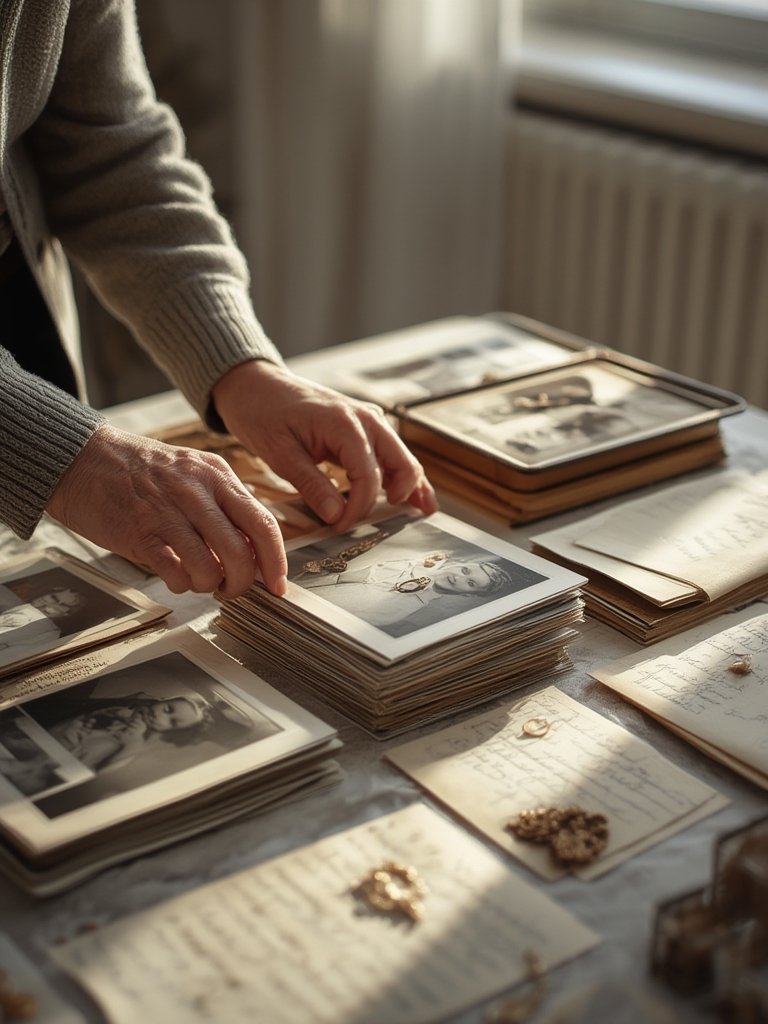
- Focus on legacy—what story do your possessions tell? Think about which items genuinely represent your life, values, or memories, and don’t be afraid to annotate or explain certain heirlooms or photo albums for your heirs.
- Be intentional about new purchases. Adopting anti-consumption habits, such as a no buy year challenge, ensures new clutter doesn’t replace cleared space.
- Try tech tools for tricky spaces. For complex closets or rooms, apps and AI-powered organizers (AI home organizer) can speed things up.
- Dispose responsibly. Donate when you can. Use recycling and proper waste services for everything else. This is key to environmental sustainability, which is often glossed over in other guides (Psychology Today).
- Document your wishes, not just your assets. A simple letter or note alongside your will can help clarify intent, minimize confusion, and avoid unintended consequences for heirs.
If you want to attack clutter in a fast, structured way, try the 5-day clutter shakedown to jumpstart your momentum while staying realistic.
And don’t underestimate quality storage—tools like 90L storage bags can help contain what truly matters for the next round of sorting.
Advanced Analysis and Common Pitfalls
Most guides gloss over the emotional and logistical challenges that can stall or sabotage Swedish death cleaning. Here’s what to expect and avoid:
- Emotional blocks: Facing mortality and letting go of memories can be unexpectedly hard, especially when sorting inherited possessions. It’s normal to feel overwhelmed or even resistant—in fact, loved ones often misinterpret the process as grim or morbid, especially outside Scandinavia (Wikipedia).
- Logistical pileups: If you postpone the process, the task grows exponentially. Sorting through a “houseful of clutter and useless possessions” has been reported to intensify grief and pressure for grieving heirs (AARP).
- Legacy missteps: Many forget or avoid conversations about whose items should truly go to which person, creating confusion or family tension later.
- Time management: People routinely underestimate how long it takes to thoroughly sort, donate, or document items; there are no reliable averages, but starting early prevents a last-minute rush.
- Environmental impact: Only a few articles touch on sustainability. Consider resale, donation, and recycling programs—less landfill, more legacy (Psychology Today).
| Pitfall | Description | Actionable Solution |
|---|---|---|
| Procrastination | Waiting until old age or after health declines, leaving too much to handle at once. | Start as soon as possible. Simple goals (one closet at a time) keep it manageable. |
| Sentimental Overload | Too emotionally attached to items, stalling progress. | Enlist a family member’s help or use the cobwebbing method. |
| No Clear Legacy Plan | Unclear heirloom intent can cause disputes and confusion. | Document who gets what early and communicate openly with family. |
| Wastefulness | Throwing away usable items that could have environmental or community value. | Prioritize donations and recycling schemes when possible. |
Want a minimalist home sooner? Read 3 simple steps to a tidy home for actionable shortcuts that sync with Swedish death cleaning values.

Conclusion
Swedish death cleaning is more than a decluttering technique. It’s a compassionate way to shape your legacy and support your loved ones, while also creating a more peaceful, sustainable space for yourself right now. Remember: the earlier and more intentionally you approach the process, the lighter the load for everyone involved. If you want a loving, meaningful outcome, use the steps above and revisit your progress as life changes. Embracing Swedish death cleaning is a step toward thoughtful living—and leaving behind memories, not mess.
Ready to start your own journey? Pick a drawer, have an open conversation with your family, or try one of the resourceful decluttering hacks linked above. The right time is now.
FAQ
Is Swedish death cleaning only for older adults?
No. While it’s commonly started around retirement, anyone can benefit. The mindset and method help at any age, especially if you want to be intentional about your possessions and legacy.
What if my family doesn’t want any of my stuff?
That’s normal, especially among younger generations. Ask directly before you start, and be open if they decline. Reducing what you leave behind is still a meaningful gift.
Should I hire a professional organizer for Swedish death cleaning?
Most Swedes do it themselves, but hiring help can reduce overwhelm with large properties or when emotional support is needed. There are no standard costs; consider your needs and budget.
How do I deal with sentimental items I can’t let go of?
Consider photographing or digitizing them, writing about their meaning, or giving them to someone who will genuinely value them. The cobwebbing method is particularly useful here.
What are environmental aspects of Swedish death cleaning?
Donate usable goods, recycle responsibly, and avoid sending items to landfill. Legacy doesn’t have to mean waste; mindful downsizing is also better for the planet. For storage solutions that maximize space and sustainability, check out 90L storage bags.
[…] loss or damage. This approach is increasingly recommended alongside decluttering methods like Swedish death cleaning and the cobwebbing method, both of which prioritize thoughtful curation over pure […]