

Workspace declutter productivity is more than just a buzzword—it’s a proven way to boost efficiency, reduce distractions, and create an environment that supports real focus and output, especially for remote workers struggling with clutter at home.
Key Takeaways
- Cluttered workspaces drain time, energy, and focus; clearing your space measurably increases productivity and creativity.
- Consistency—not perfection—is the toughest challenge when trying to maintain a decluttered workspace, especially at home.
- Smart strategies like digital declutter routines, minimalism rules, and leveraging automation tools give lasting results.
The Core Concept: Why Workspace Declutter Productivity Matters
An organized workspace is not about aesthetics—it’s a direct driver of how well you focus, how quickly you get things done, and even how creative you feel during the workday. According to recent workplace data, 94% of employees report higher productivity in a clean workspace, and 78% say a tidy environment helps them focus. Even more telling, 77% notice an improvement in the quality of their work when their surroundings are clutter-free. Source
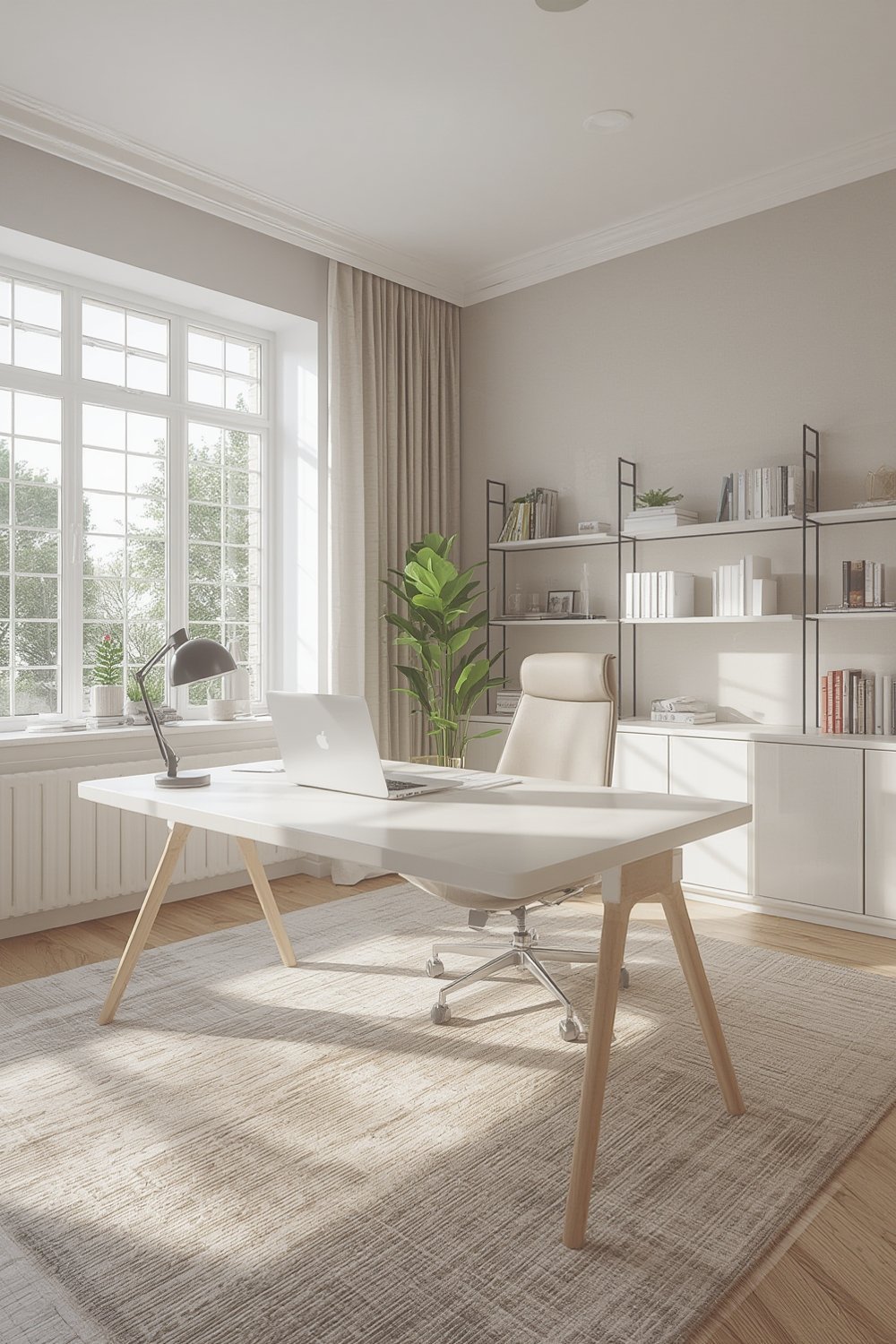
Cluttered environments undermine productivity: workers spend an average of 2.6 hours per week searching for misplaced documents, which snowballs into 2.5 wasted days every year. Plus, visual chaos leads to higher stress, overwhelm, and decision fatigue—a particular challenge for remote workers who often lack strict boundaries between home and office.
The takeaway? Workspace declutter productivity is essential not only for your output, but your well-being. Even simple changes—like clearing your desk and streamlining digital files—can lead to measurable gains.
Step-by-Step Guide: How to Declutter Your Workspace for Genuine Productivity Gains
- Commit to a Full Desk Reset
Remove everything from your workspace surface. Wipe down the desk, discard trash, and only return items needed for your daily workflow. The goal is “zero excess” in your direct line of sight—if you don’t use it daily, store it elsewhere. - Adopt the 80/20 Rule for Office Supplies
Most people use just 20% of their supplies 80% of the time. Identify your core tools, and move the rest to a nearby container or donate them. This prevents the slow creep of clutter. For sentimental or infrequently used items, try the cobwebbing method to break emotional attachments. - Establish a Daily Declutter Micro-Routine
Set aside 10 minutes before or after work (or both) to reset your workspace. The consistency is key: research shows clutter piles up fast when left unchecked, causing overwhelm for over 54% of workers. Source Try strategies like the 10-minute declutter challenge for sustainable habits. - Digitize and Automate to Minimize Paper Piles
Scan essential documents, set up cloud folders, and automate repetitive digital tasks. Digital clutter counts, too. Set a recurring reminder for a digital clean-up day using the digital declutter guide. - Review and Maintain Weekly
Each Friday, do a quick audit. Ask: What items haven’t been touched all week? Apply the “one in, one out rule” (see full guide) so every newcomer replaces something that leaves, preventing new clutter from building up.
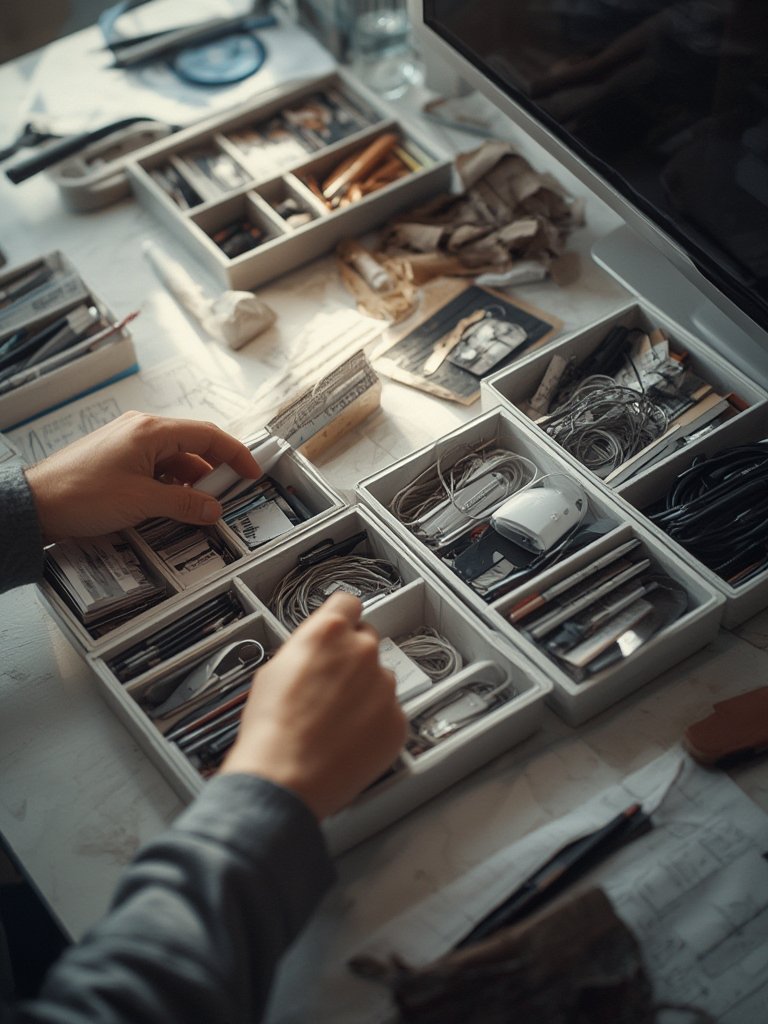
Optional: Upgrade your physical organization. Use clear containers or storage bags to corral office supplies out of sight but within reach—see these airtight glass storage jars for a minimalist desktop setup. For drawers, try the drawer dumping method for a fast, decisive clean-out.
Don’t forget about boundaries: if you work from a shared space or at home, make your workspace visually distinct to minimize distractions and signal to your brain that it’s time to focus.
Advanced Analysis & Common Pitfalls: The Realistic Side of Workspace Declutter Productivity
While decluttering offers major upsides, it’s essential to recognize—and plan around—the common problems people face. Here’s what most guides don’t discuss.
- Consistency Is Harder than a Reset: Many users find that they can tidy up once, but maintaining a decluttered workspace day after day is the real struggle. Life is unpredictable: urgent work, kids at home, or fluctuating priorities mean routine can quickly fall apart.
- Perfectionism Kills Progress: Waiting for “the right time” or obsessing over the ideal organization system leads to chronic procrastination—and rooms that never get finished. Small, regular micro-actions beat occasional massive overhauls.
- Emotional Attachment to Supplies: Many people hold onto old notebooks, business cards, or tech gadgets “just in case.” Emotional declutter methods like the cobwebbing technique or Swedish death cleaning help overcome this, but require a mindset shift. See the Swedish death cleaning guide for more.
- Decluttering Digital Workspaces Feels Overwhelming: Email inboxes, desktop files, and app sprawl can seem daunting. Most underestimate the time required—while no hard data exists, indirect statistics show 2.6 hours lost each week searching for documents and up to 3.6 hours saved weekly by automation or decluttering tools. Source
- Lack of Customization: What works for one person’s productivity may not work for another. For best results, adapt systems to your personal workflow, not just aesthetic trends.
| Approach | Time Required | Sustainability | Stress Level |
|---|---|---|---|
| Single Deep Declutter Session | 2-4 hours | Low (if no follow-up) | High initially, then low |
| Daily Micro Declutter (10-minute challenge) | 10-20 minutes daily | High | Low |
| Digital Declutter (monthly) | 30-60 minutes | Medium | Moderate |
| Automated Tools/AI Organizer (AI home organizer) | 1-2 hours setup, saves 3.6+ hours/week | Very High | Low after setup |
Despite the popularity of minimalism, few guides offer nuanced approaches. For example, applying the 80/20 rule (keeping only what you use 80% of the time) or using neuroscience-backed techniques to organize your space for less mental friction are frequently missing from mainstream discussions.
When it comes to the latest products, no stand-out innovations have reshaped the market in 2026. Instead, the trend favors simple, proven organization aids, digital tools, and building mindful acquisition habits—such as the no buy year challenge for long-term clutter prevention.
Conclusion
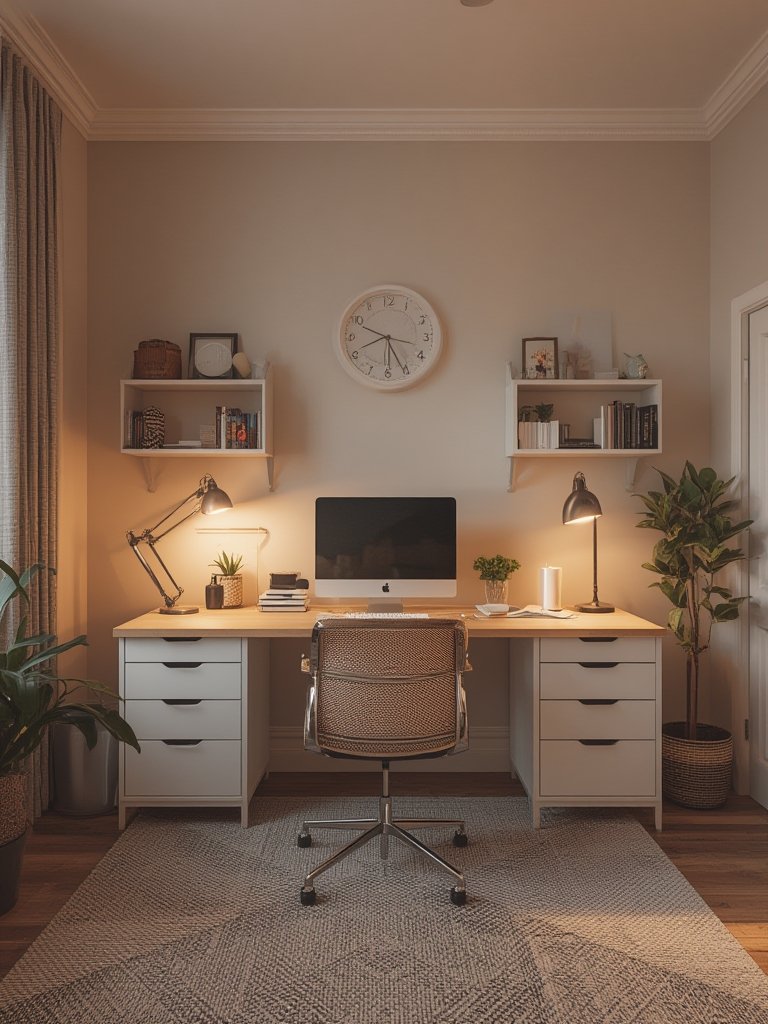
Clutter is a silent killer of focus, efficiency, and peace of mind—but with simple systems and regular habits, you can make workspace declutter productivity a natural part of your day. Don’t strive for perfection. Prioritize progress, build routines, and use actionable methods that fit your needs. Ready to take control? Choose one step from above to implement today, and see how much more you can accomplish. For deeper dives and advanced strategies, explore our related guides across the site.
FAQ
Does workspace decluttering really make a measurable difference in productivity?
Yes. Studies show that 94% of workers feel more productive in a clean workspace, while 78% report improved focus, and 77% produce higher-quality work when clutter is eliminated. See external citations above for proof.
How often should I declutter my home office or digital workspace?
Build in a daily micro-routine for quick resets and schedule a comprehensive clean-up monthly for both physical and digital spaces. Small, consistent actions are far more effective than rare, massive overhauls.
What are the best tools for digital workspace decluttering?
While no specific app leads the market, AI-powered organizers and automation tools can save up to 3.6 hours weekly by streamlining files and reminders. For actionable steps, use the digital declutter guide.
What if I share my workspace with others (kids, roommates, etc.)?
Set clear boundaries: use visual cues like mats or containers to define your work zone and agree on shared rules. Consistency with resets is key when multiple people use the same area. For more, try the chaos method to establish a baseline together.
How do I avoid just re-accumulating clutter?
Adopt the “one in, one out” rule—every new item must replace an old one. This principle, especially for supplies and technology, is covered in detail in our guide here.

[…] management is about more than looks. For anyone optimizing for productivity, like those following workspace decluttering tips, controlling wires is a foundational step for creating a functional […]